
Converse council approves rewrite of animal-control ordinance; shelter reports adoptions and expanded transport partners
Get AI-powered insights, summaries, and transcripts
Sign Up Free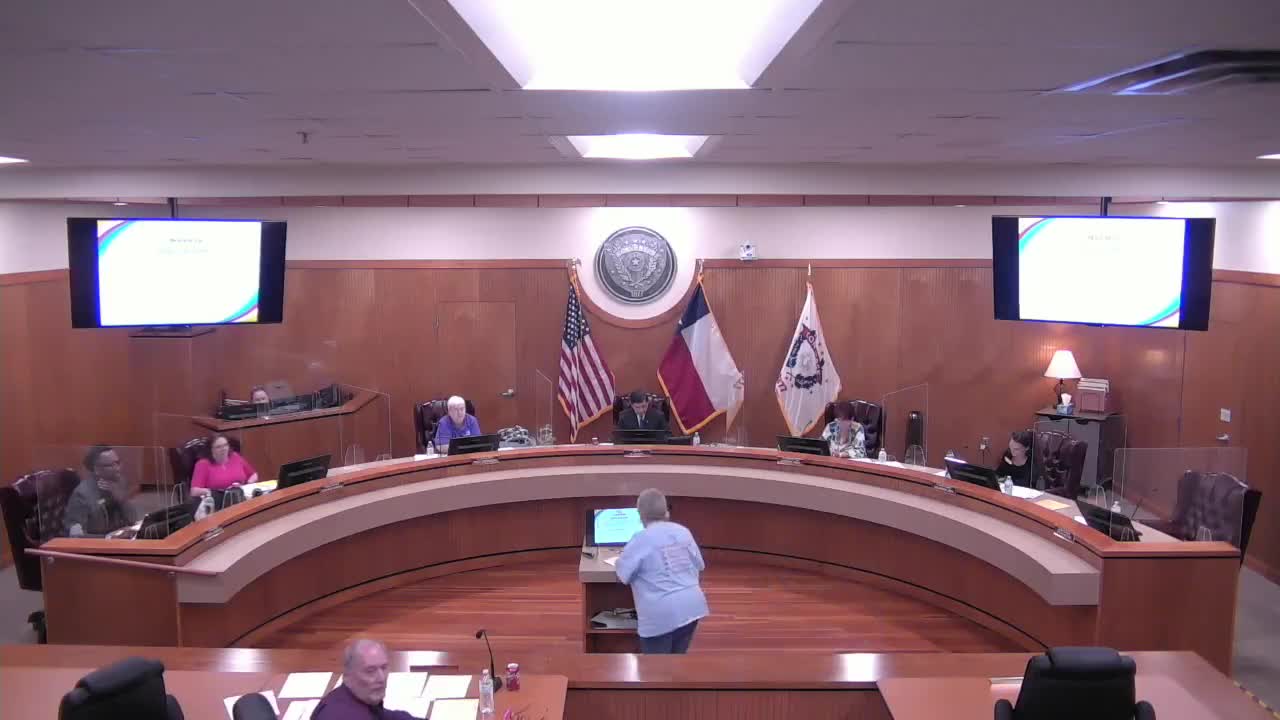
Summary
City council unanimously approved a comprehensive rewrite of Chapter 6 (animals) and heard updates from the animal care director on a successful adoption event and new transport commitments that increase live-release prospects.
The Converse City Council voted to approve a comprehensive rewrite of the city’s animal-control code, amending Chapter 6 to update procedures, penalties and operations for the city’s animal care services.
The ordinance rewrite replaces an outdated set of rules, city staff said, and follows four months of review by the city’s animal advisory board. City staff and the board recommended the change to bring procedures in line with current practices and to improve the animal care facility’s operations.
Interim City Manager Lanny Lambert told the council the rewrite was a “complete rewrite and update of all ordinances associated with animal control, wild animals, domestic animals, within the city limits” and said the board and staff had spent “hours and hours” reviewing the draft. Animal Care Director Joel Skidmore and members of the advisory board attended the meeting and answered council questions.
Skidmore reported that the department’s first large adoption event — nicknamed the “Summer Pawty” — produced six adoptions. He also said the city has expanded its transport program: a rescue agreed to tag 18 dogs for transport, with 10 scheduled to leave the city shelter the coming Friday and another 9–10 slated for transport June 2. Skidmore credited local rescue partners and the Humane Society for supporting the event and said the transport commitments are a key part of the shelter’s live‑release efforts.
During public comment, resident Robin Benbrook, who has advised on animal shelter planning, told the council the ordinance is “very comprehensive” and that the advisory board, the city veterinarian and community volunteers participated in drafting it. Several council members praised Skidmore and staff for recent operational improvements and volunteer engagement at the shelter.
Councilmember motioned to approve the ordinance on first reading and the council adopted the measure by voice vote; the clerk recorded the item as carried. The ordinance was referenced in the agenda as "ordinance 7 1 7 2 0 2 5 amending the code of ordinance chapter 6 on animal care." Staff recommended immediate adoption, though the published agenda described the item as first reading.
Council members and staff framed the ordinance as both an operational update and a public-safety measure: the rewrite includes procedures for handling domestic and wild animals, enforcement and penalties, and operational rules for the animal care facility. Councilmembers asked how the facility’s partnerships and transport program would continue to support a higher live‑release rate; Skidmore answered that transport and foster placements would be critical to that effort.
City staff and the advisory board will continue outreach to rescue partners and volunteers as the ordinance moves from first reading toward final adoption and implementation.