
Age Strong presents expansion plans as seniors cite transportation, space and service gaps
Get AI-powered insights, summaries, and transcripts
Subscribe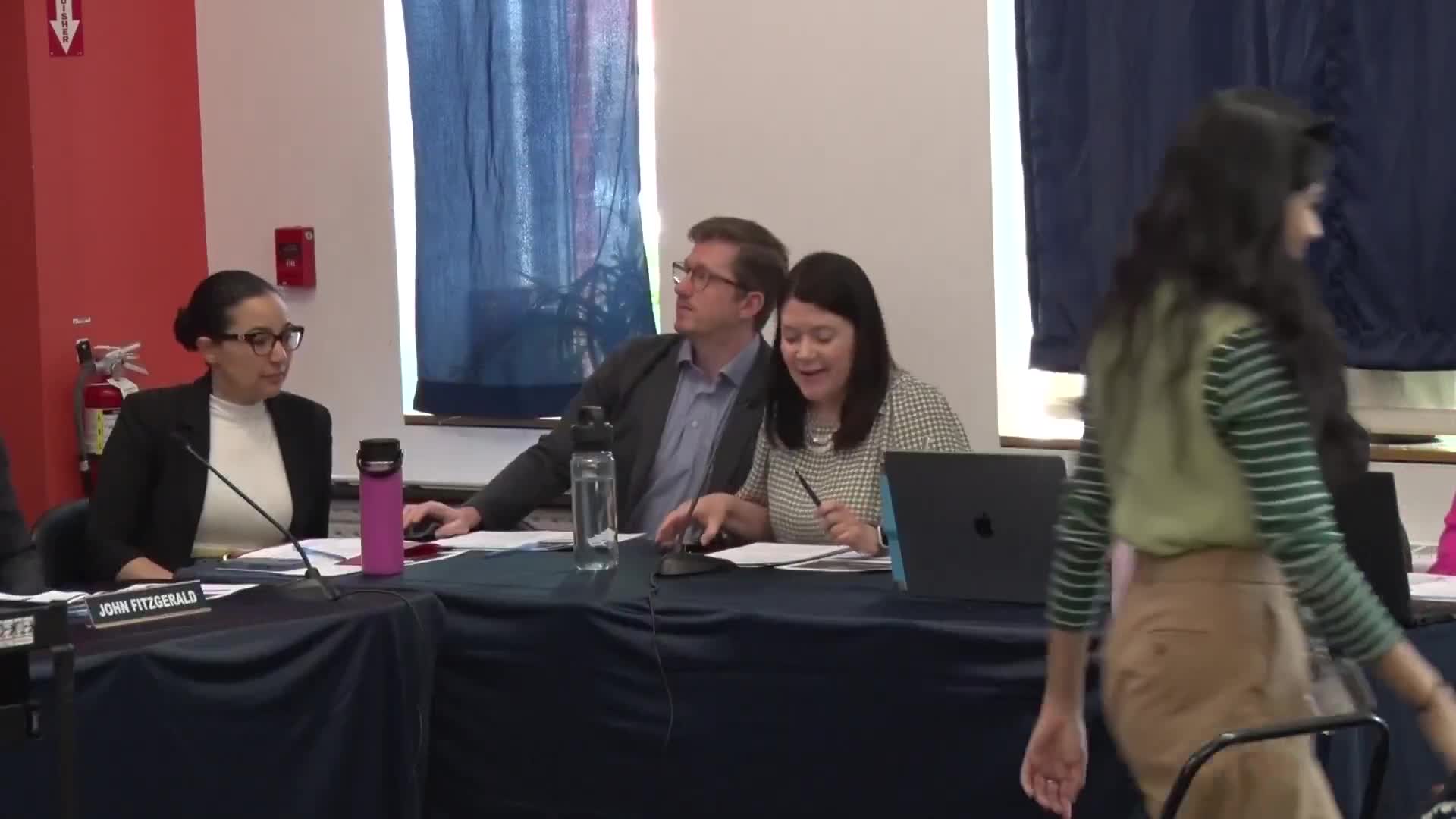
Summary
At a Boston City Council hearing May 28, Age Strong Commissioner Emily Shea outlined FY26 priorities — transportation modernization, expanded programming and a new community ambassador program — while seniors and advocates urged faster fixes to shuttle service, sidewalks and senior center space.
“Imagine a Boston that embraces aging, where growing older means growing bolder,” Age Strong Commissioner Emily Shea told the council during a May 28 budget hearing at Grove Hall Senior Center.
The Age Strong presentation to the Committee on Ways and Means laid out staffing, grantmaking and transportation goals for FY26 and emphasized equity and neighborhood‑based outreach. The department said it has more than 100 positions, bilingual staff who speak more than 11 languages, and a recent expansion of programming hours and sites.
Why it matters: Boston’s population of older adults is growing and economically strained, the department said. Age Strong described rising demand for transportation, home‑based benefits navigation, behavioral health services and neighborhood programming; speakers at the hearing asked the city to move faster to improve shuttle and taxi coupon access, fix sidewalks that limit mobility and increase space for senior programming.
Key program details presented
- Grants and funding: Age Strong manages multiple grant streams. Commissioner Shea said the department distributes approximately $7.4 million in federal and state funds to 26 organizations (the bulk to elder nutrition), operates a $500,000 expanding engagement grants line (this year 44 awards; applicants requested roughly $1.8 million), and has $450,000 for behavioral health grants (this year’s requests: about $2.6 million). The commissioner also noted an $880,000 federal cut to elder nutrition funding that affected FY24.
- Transportation and mobility: Age Strong runs an Age Strong shuttle, a taxi coupon program and a rideshare pilot (the "bridal share" pilot referenced in testimony). Commissioner Shea said the city currently has 21 driver positions for shuttle service and was onboarding five new drivers; the department is reviewing whether to accept Medicaid billing for medical rides, explore hospital partnerships to defray costs, and develop a citywide transportation strategy to balance shuttle, taxi coupon and rideshare use.
- Ambassadors and outreach: The department plans a 15‑member community ambassador program to improve outreach and trust in specific cultural communities; the initial recruitment will fill five ambassador positions, with more to follow. The ambassadors will work part‑time to connect Age Strong with older residents who face language or access barriers.
Community testimony and concerns
Seniors and community leaders raised several recurring themes: unreliable or hard‑to‑navigate transportation (including the state-run paratransit application process), uneven sidewalks that make rollators and walkers unsafe, and a shortage of senior center hours and dedicated space in several neighborhoods. Several speakers urged additional culturally appropriate meals and online arts programming for older adults with cognitive decline.
Notable figures mentioned in testimony included an elder who said the city’s paratransit process requires multiple appointments and another speaker who said Meals on Wheels allotments had been cut. Commission Shea emphasized Age Strong’s efforts to modernize the shuttle and expand neighborhood presence: “We will finally get our community ambassador program up and running,” she told the council.
Discussion versus decision
The hearing was informational; no budget votes or formal amendments were recorded in this session. Councilors repeatedly signaled support for increased transportation and program funding and asked Age Strong to return with concrete budget requests and operational details during the FY26 amendment process.
What the council asked Age Strong to follow up on
Council presidents and members asked for: a transportation plan that shows how shuttle, taxi coupons and rideshare are balanced; clearer timelines and costs for expanding driver staffing; data on senior center attendance and space needs; and outreach plans to ensure city grants and services reach non‑English speaking older residents.
Ending
Age Strong’s proposals and the public testimony together framed transportation and neighborhood programming as the top near‑term priorities for Boston’s older residents. Councilors and department leaders said they would continue to coordinate during the FY26 budget amendment process.