
Parents and advocates raise multiple procedural concerns about Kent School District inclusive‑education services
Get AI-powered insights, summaries, and transcripts
Subscribe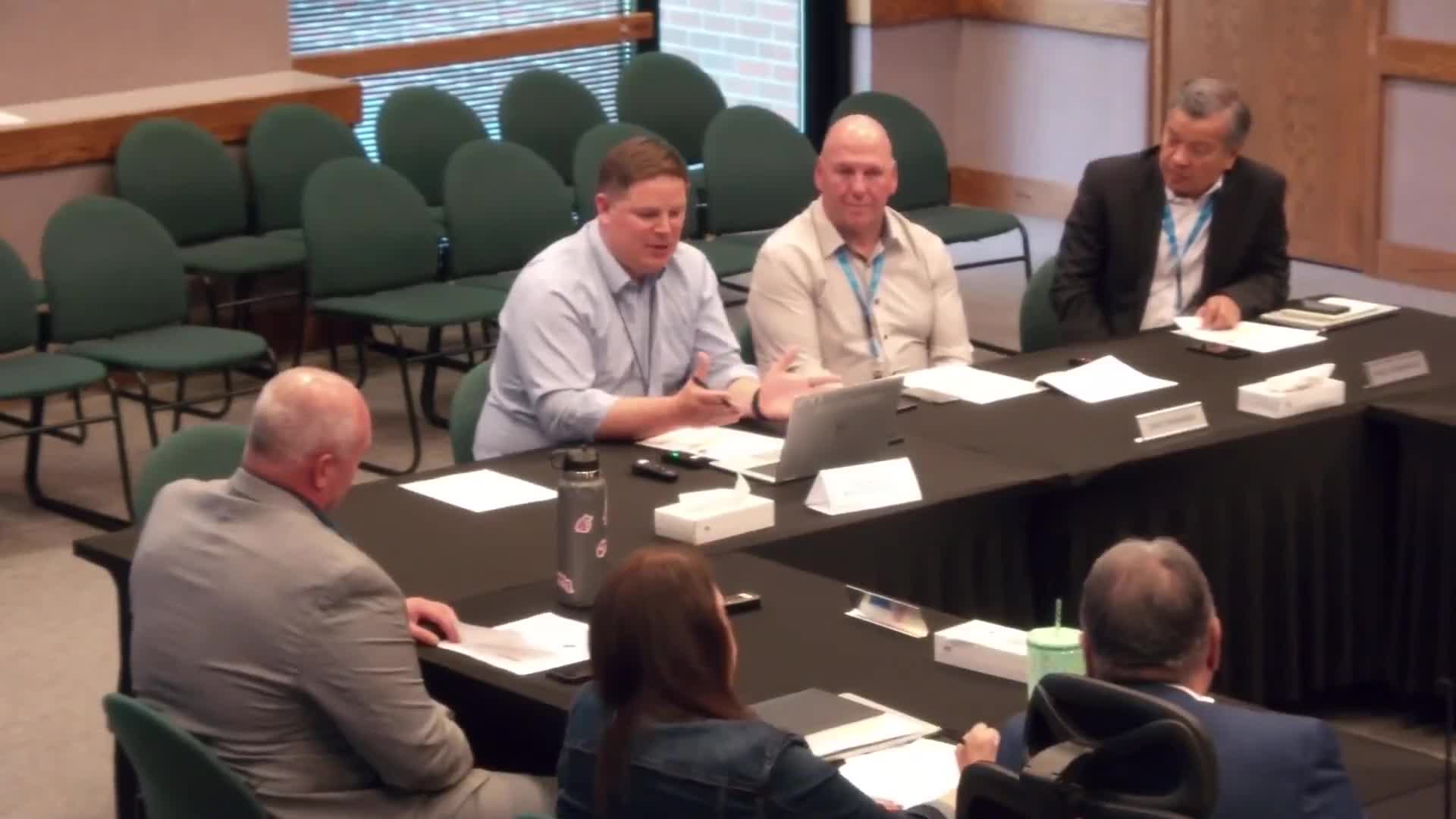
Summary
Two public commenters at the board meeting alleged procedural errors and delays in the district’s inclusive‑education processes, including unanswered requests, late meetings, questions about interim services and mediation, and multiple record‑and‑consent issues.
Two members of the public used the board’s public‑comment period to describe long‑running disputes with the district’s inclusive‑education processes and to request board attention to unresolved procedural and communications issues.
Caitlin Tin identified herself as a parent and described filing a formal complaint under district procedure 4220P for staff misconduct. She said the complaint process was “confusing and lacked clear communication” and that the investigation concluded “no misconduct was identified despite a staff member yelling at me during meetings.” Tin said the assigned investigator subsequently resigned and that a note taker in her interview was later identified as a human‑resources director — a fact she said was not disclosed during the meeting. Tin said the district denied a request for OSPI mediation and that repeated questions to inclusive‑education staff went unanswered or took weeks to answer. “These actions are harming families and students that you were entrusted to serve,” she told the board, and she warned that continued inaction could increase the district’s legal liability.
Jennifer Liggett, who said she is a single mother of five, gave a detailed list of outstanding procedural questions in her child’s case. Liggett asked the district to provide specific dates and times for an NPA (non‑public agency) submission, the district’s policy on VIPs (individuals working one‑to‑one with students), and the date of any homebound education request. Liggett alleged her daughter was not provided interim educational services from Feb. 20 to May 19 and asked why a manifestation determination meeting occurred more than a month after an expulsion, beyond the 10‑day window she said is required. She asked whether all IEP meeting attendees had consented to recording and questioned the district’s handling of release‑of‑information (ROI) forms, transportation backup planning that allegedly led to a no‑show driver, and the district’s use of pre‑purchased seats at a provider called reLife.
Liggett explicitly cited federal special‑education rules while asking about IEP meeting participants: “On the grounds on what grounds was a parent invited community member denied participation in our IEP meeting in April when IDEA permits such inclusion under 34 CFR 300.321?” she asked, referencing the federal rule that governs IEP team composition and representation. She asked the district for clarifications on FERPA‑related email removals and whether previous ROIs had been invalidated, and sought documentation for several meetings and decisions.
The board did not respond during public comment; Superintendent Vela and the board later acknowledged receipt of comments in their reports and the meeting proceeded through the agenda. No board vote or formal action on the allegations was taken that night.
The speakers asked for specific documentation, clearer procedural responses and timelier communication. They requested that the board and the district provide follow‑up answers to the enumerated items and said families were prepared to escalate to OSPI or legal processes if they did not receive satisfactory responses.