
North Elm CFO proposes using $700,000 in reserves to balance 2025 budget; council asked to bank extra cap
Get AI-powered insights, summaries, and transcripts
Subscribe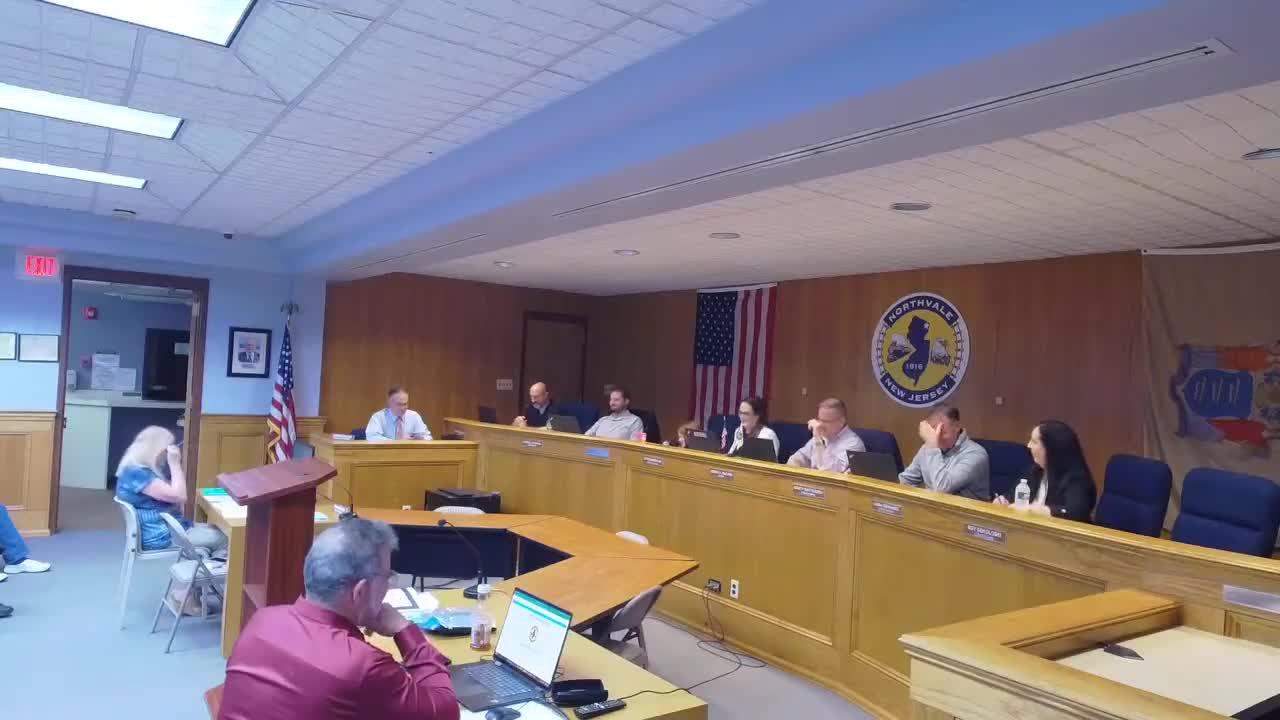
Summary
North Elm held a special meeting to introduce the proposed 2025 municipal budget, where Chief Financial Officer Joe Lupino said the borough will use $700,000 of its fund balance to cover revenue shortfalls and limit the tax impact on residents.
North Elm held a special meeting to introduce the proposed 2025 municipal budget, where Chief Financial Officer Joe Lupino said the borough will use $700,000 of its fund balance to cover revenue shortfalls and limit the tax impact on residents.
Lupino said the borough has pursued a multiyear fund-balance strategy and is proposing to “use 700,000 of this fund balance as a revenue source” for 2025. He told the council the fund-balance strategy began in 2021 and has allowed the borough to cancel unused appropriations at year-end and rebuild reserves.
The budget presentation identified several principal cost and revenue drivers. Lupino said rising health-insurance costs are a major factor — “we're up 18.7%” this year and he projected the figure could rise to about 30% next year — and that the borough is exploring alternatives to the state health plan. Grants and one-time federal COVID relief also declined: Lupino said American Rescue Plan/CARES-style recovery funds used in prior years have expired, and that grant receipts were materially lower in 2025. He listed the loss of revenue, health insurance increases and solid waste and library costs as the main contributors to an estimated $491,000 increase in the levy.
Lupino walked the council through specific line items and tax impacts. He said the library appropriation will rise (he identified a $56,000 increase), solid-waste expenses rose (he cited a roughly $74,000 increase and an 8.4% contract increase), and debt-service principal payments increased (down payment on notes rose from about $86,000 last year to about $168,000). On household impact, Lupino presented an estimate that the total tax increase on a $450,000 home would be roughly $411 annually (about $34 per month) and that the municipal portion would increase by about $225.52 a year (roughly $18 a month).
Lupino described how the borough generated surplus in prior years and why the administration recommends using a portion of it now. “Last year we generated $801,000,” he said, and the administration is proposing to use $700,000 while aiming to regenerate surplus in subsequent years. He warned that using substantially more than that could leave the borough exposed in following years.
On health benefits, Lupino said the borough is “in the state plan” and that the plan is under stress as many municipalities opt out; he said North Elm will investigate alternative plans that include other municipalities. On solid waste, council members and staff said the borough will enter negotiations with the current contractor — Interstate — at the end of the contract’s initial term and noted past bidding difficulties (only one bidder on two prior procurements).
On revenue-side changes, Lupino noted that several previously available sources have ended: federal ARPA/CARES funds had to be used within a statutory window, and a recurring revenue item tied to an earlier property sale no longer exists. He said the municipal relief fund from the state also is not available this year.
Council members moved forward on a related ordinance. Lupino introduced Ordinance No. 25-10, described as "an ordinance to exceed the municipal budget appropriation limits and to establish a cap bank for the year 2025." Councilwoman McNamara made the motion to approve the ordinance and Councilman McKelvey seconded it; Lupino said the ordinance would add 1% (about $82,000) to the borough’s cap bank, bringing the total available bank to about $247,000. The transcript records the motion and second; no roll-call vote or final outcome is included in the meeting record provided.
The council also had a short consent agenda that included an engineering-services agreement for affordable-housing planning, a corrected final payment to DNL Paving of $12,007.98, and routine bills; those items were listed for formal action. Lupino said the budget would be submitted if the council approved it and that a public hearing is scheduled by law in late June for residents to comment.
The presentation and subsequent council discussion emphasized the borough’s strategy to limit immediate tax increases by using a measured portion of reserves while pursuing cost-control measures (health-plan alternatives and renegotiating waste-service terms) and highlighted uncertainty for 2026 if health-care costs continue to rise.
Questions and public comment included a resident who asked for clarification on the federal recovery funds and how they were used; Lupino explained the borough had spread those funds over several years and that the last tranche was used in 2024, creating a revenue shortfall for 2025.
Next steps recorded in the meeting: the administration will submit the proposed budget if approved by the council, conduct the required public hearing later in June, and continue to examine health-plan options and waste-contract negotiations.