Get Full Government Meeting Transcripts, Videos, & Alerts Forever!
Get email alerts on the Municipal Budget topic
No spam. Unsubscribe anytime.
La Verne officials debate adding full-time city recorder position, $114,351 cost proposed
Summary
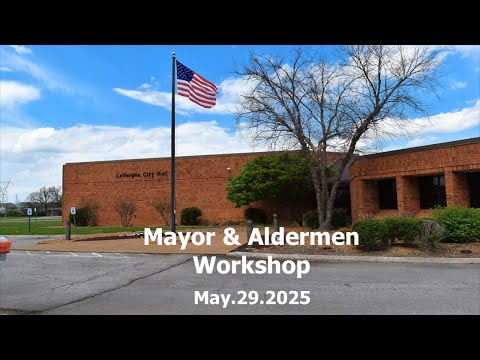
During a May 29 workshop the Board of Mayor and Aldermen discussed Alderwoman Hobbs’ proposal to add a full‑time city recorder position to the FY2025–26 budget, estimated to add $114,351 to the general fund. No formal motion or vote was recorded; council members directed staff to consider timing and options for a budget amendment.
The Board of Mayor and Aldermen discussed a proposal to add a full‑time city recorder position to the city’s FY2025–26 budget during a May 29 workshop, an addition Alderwoman Hobbs estimated would add $114,351 to the general fund operating budget.
The proposal was raised during review of second‑reading materials for Ordinance 2025‑14, the city’s annual budget and tax rate for fiscal 2025–26. The board did not take a formal vote during the workshop; members discussed three options for implementing the position if they choose to proceed: include it in the adopted budget by amending the document at second reading, make a stand‑alone budget amendment after the budget is adopted (potentially starting in July), or wait roughly five months and revisit the amendment in December.
Why it matters: board members and staff said creating a recorder position would free up time for the city administrator and could improve record‑keeping and organization, but they also raised concerns about near‑term budget pressure and the timing of revenue expected from new businesses. "It will add an additional $114,351 to the general fund operating budget," a presiding official said during the discussion. "Money wise, I know we've got some new businesses coming on board, which would generate sales tax for that year," another member said.
Board members and staff described current workload and the expected effect of hiring a recorder. Bruce, who currently serves as city administrator and performs recorder duties, said, "It's kind of a touchy subject... I've done this job for 31 years," and that hiring a recorder could "free up some of my time to do more leadership type things." Staff estimates discussed during the meeting put current recorder‑related duties at roughly 30% of Bruce’s time and about 40% of Juliet’s time; several presenters said that combined workload would support a full‑time equivalent position.
Staff cautioned that adding the position now would require either additional use of fund balance or cuts elsewhere in the proposed budget. "We're already pulling money out of fund balance to pay for various things," one staff member said, noting the board could either amend the budget at adoption or pass a later, stand‑alone amendment to fund the hire. Human resources and compensation staff said they had not yet posted the job and that recruiting would likely target candidates with existing city recorder experience to minimize training time.
No formal motion or vote was recorded in the provided transcript. Several aldermen said they favored waiting until after the budget is adopted and monitoring incoming sales tax revenue from new development before moving forward. One board member explicitly said waiting about five months would be acceptable; another urged finishing the budget first and addressing the recorder request afterward.
Next steps: staff presented three procedural options and indicated they could prepare a stand‑alone budget amendment or provide additional budget analysis; the board did not direct an immediate motion. If the board decides to act, options discussed were (1) amend the budget at adoption, (2) adopt the budget and then pass a stand‑alone amendment (potentially in July), or (3) delay a budget amendment until roughly five months into the fiscal year (December).