Lifetime Citizen Portal Access — AI Briefings, Alerts & Unlimited Follows
Senators and witnesses clash over federal surveillance systems, v‑safe release and FOIA delays
Loading...
Summary
Counsel and witnesses criticized how the CDC's v‑safe program and VAERS were designed and disclosed; committee counsel said v‑safe records were obtained only after litigation and that VAERS data were cited widely by both sides.
WASHINGTON — A major thread of the subcommittee hearing examined how federal vaccine safety surveillance systems were designed and how data were shared with the public and the committee.
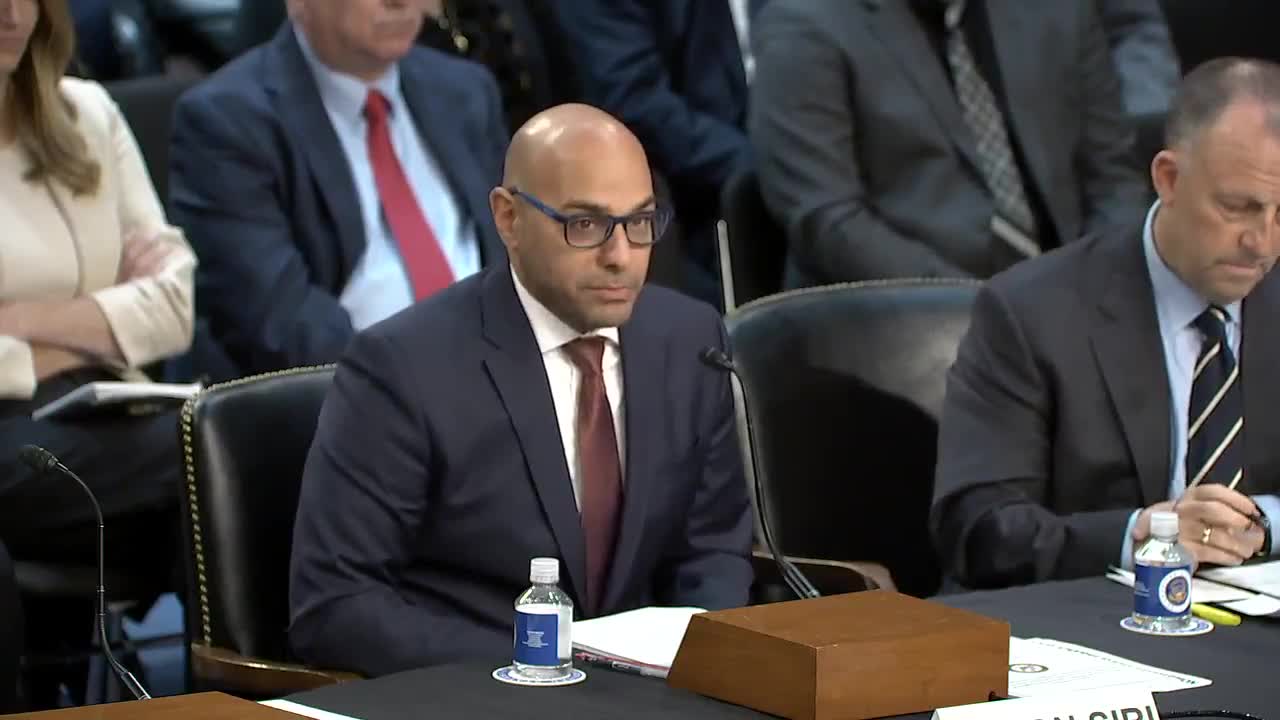
Aaron Siri, counsel who has litigated for access to federal vaccine documents, told senators that v‑safe—CDC's smartphone‑based vaccine‑monitoring tool—was "not designed to determine safety" because the system emphasized short‑term, check‑the‑box symptom reporting rather than prespecified conditions such as myocarditis. "It took over 2 years," Siri said, describing the litigation required to compel release of v‑safe records.
Senator Johnson and several witnesses criticized timeliness and completeness of federal public‑health communications while Ranking Member Richard Blumenthal argued the agencies took steps to alert providers about myocarditis and that public‑health messaging required careful deliberation.
Witnesses and counsel raised other surveillance and compensation issues: REACT‑19 testified that many members saw no follow‑up from VAERS or V‑Safe and a high rejection rate from the federal Countermeasures Injury Compensation Program. Counsel Aaron Siri and others argued the regulatory framework that gives vaccine manufacturers liability protections under the PREP Act and the National Childhood Vaccine Injury Act affects how trials are designed, how safety is evaluated and how liability is handled.
The committee debated whether public‑health officials should have issued a Health Alert Network message in May 2021 versus posting "clinical considerations," and senators requested agency records and analyses that underlie surveillance decisions. The subcommittee left the record open for 15 days for additional submissions and flagged further oversight and possible document requests.