Get Full Government Meeting Transcripts, Videos, & Alerts Forever!
Get email alerts on the Myocarditis Safety Signal topic
No spam. Unsubscribe anytime.
Senate subcommittee presents timeline alleging CDC, FDA debated myocarditis warnings in spring 2021
Summary
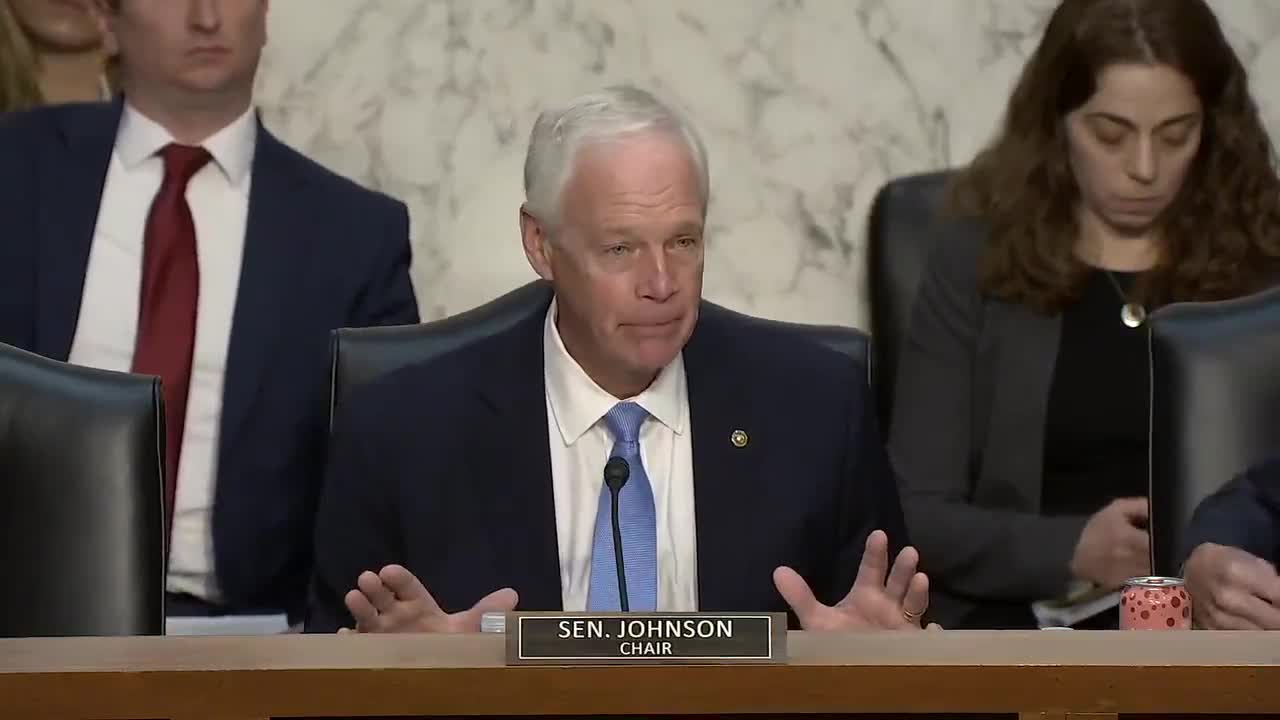
At a Homeland Security and Governmental Affairs subcommittee hearing, Republican Chairman Ron Johnson outlined documents and a timeline he said show federal health officials debated but did not immediately issue a formal Health Alert Network warning on myocarditis after early 2021 safety signals.
WASHINGTON — Chairman Ron Johnson, leading the permanent subcommittee on investigations, told a Senate hearing that documents his office has obtained show federal health agencies were aware of myocarditis safety signals in spring 2021 but did not issue a formal, public Health Alert Network message.
"The title of today's hearing is the corruption of science and federal health agencies, how health officials downplayed and hid myocarditis and other adverse events associated with the COVID 19 vaccines," Johnson said at the hearing opening, summarizing the committee's focus. He described a timeline from February through late May 2021 that, he said, shows discussions inside CDC and FDA about whether to alert clinicians and the public.
The timeline Johnson read into the record said Israeli officials first reported myocarditis signals to the Centers for Disease Control and Prevention on Feb. 28, 2021, and that Department of Defense consultants raised cardiac-safety monitoring concerns in April. According to Johnson’s statement, CDC and FDA officials discussed issuing a Health Alert Network message in mid-May 2021 but instead published "clinical considerations" on the CDC website after internal objections.
Johnson cited internal emails and redacted documents his majority staff obtained under subpoena and placed in an interim report. He told senators the subpoenaed materials "do not contain FOIA redactions" and that the committee's report includes agency edits to language that would have advised doctors to restrict vigorous activity for patients with myocarditis.
Ranking Member Richard Blumenthal, the committee Democrat, said he reviewed the same documents but reached a different judgment about the agencies' intent and response. "COVID 19 vaccines have saved millions and millions of lives. There is no scientific question about that fact," Blumenthal said during his opening remarks, and he emphasized that public health officials were "wrestling with what to do and what kind of warning to issue." Blumenthal said the records show officials taking steps to alert providers rather than hiding information.
Both senators agreed the documents merit public review, but they framed the material differently: Johnson described the records as evidence the agencies "downplayed" risk; Blumenthal described the records as officials balancing warning language while analyzing evolving data amid a pandemic.
The hearing drew prolonged witness testimony over claims about myocarditis and other adverse events and extensive questioning about agency communications, the federal safety surveillance systems VAERS and v‑safe, and whether guidance released to clinicians in 2021 should have included stronger activity restrictions for patients with myocarditis.
The subcommittee record will remain open for 15 days for submission of additional materials, and Chairman Johnson said the committee plans further oversight and follow-ups.
The hearing produced no formal committee policy change or binding action; senators on both sides requested documents and signaled continued review of the materials entered into the record.