Get Full Government Meeting Transcripts, Videos, & Alerts Forever!
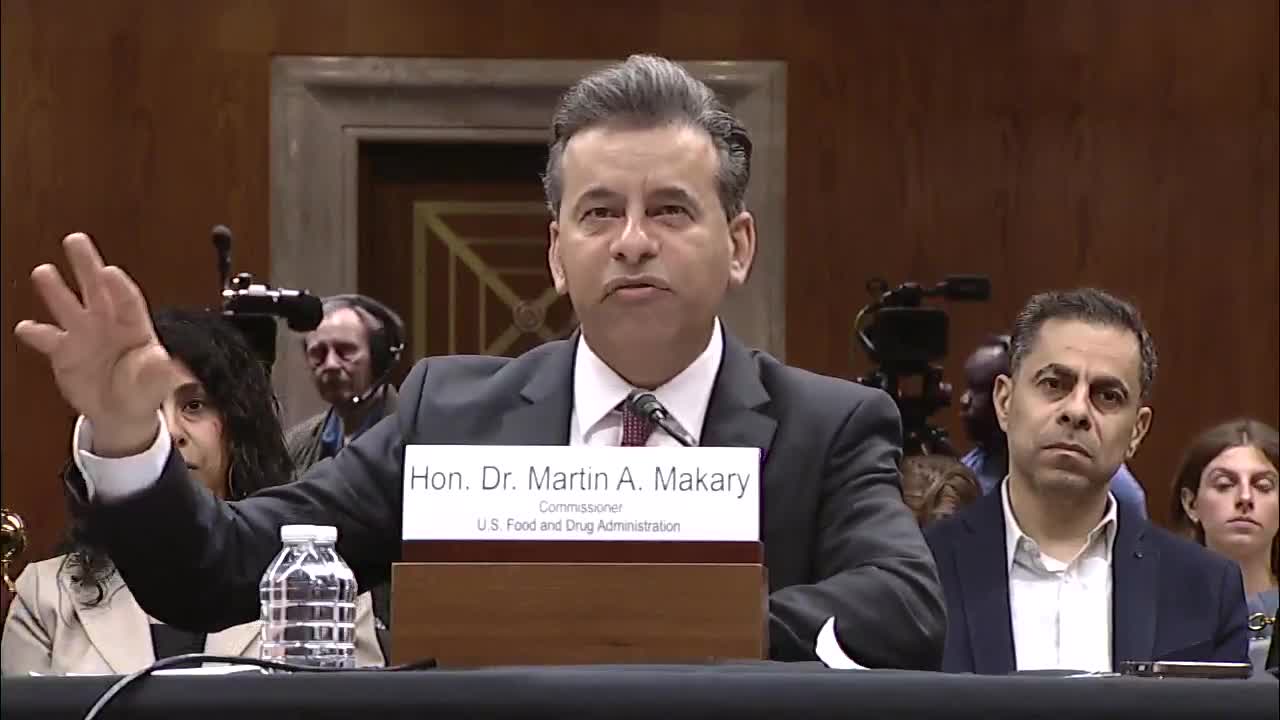
Senators Ask FDA to Review New Mifepristone Safety Claims; Commissioner Pledges to Examine Data
Summary
Republican senators cited a new analysis alleging higher complication rates after medication abortion and asked whether FDA would reinstate earlier safeguards such as a requirement for in‑person visits; the commissioner said FDA would review any underlying data when it becomes available.
Senator Cindy Hyde‑Smith and others asked whether the FDA would review a recently released analysis alleging increased serious adverse events related to mifepristone and whether the agency would consider restoring earlier safety conditions.
Senator Hyde‑Smith summarized the report's topline finding as saying that "10.93 percent of women experience sepsis infection, hemorrhaging or other serious…
Already have an account? Log in
Subscribe to keep reading
Unlock the rest of this article — and every article on Citizen Portal.
- Unlimited articles
- AI-powered breakdowns of topics, speakers, decisions, and budgets
- Instant alerts when your location has a new meeting
- Follow topics and more locations
- 1,000 AI Insights / month, plus AI Chat