Committee approves administrative rule to create peer support specialist certification process
Summary
The Legislative Committee on Administrative Rules approved proposed administrative rules (24 P 43) to implement a newly authorized certification for peer support providers; the Office of Professional Regulation will administer the credential while the Departments of Health and Mental Health set substantive standards.
The Legislative Committee on Administrative Rules on May 15 approved administrative rule 24 P 43 to implement a new certification for peer support providers, moving the credentialing mechanics to the Office of Professional Regulation while leaving substantive standards to the Departments of Health and Mental Health.
The rule matters because the General Assembly recently determined the profession should be regulated through a certification, a credential level intended to allow qualified providers to seek Medicare, Medicaid and other insurance reimbursement while still permitting people to provide peer support without the certification. The committee vote clears the way for the Secretary of State’s Office to carry out the administrative licensure process.
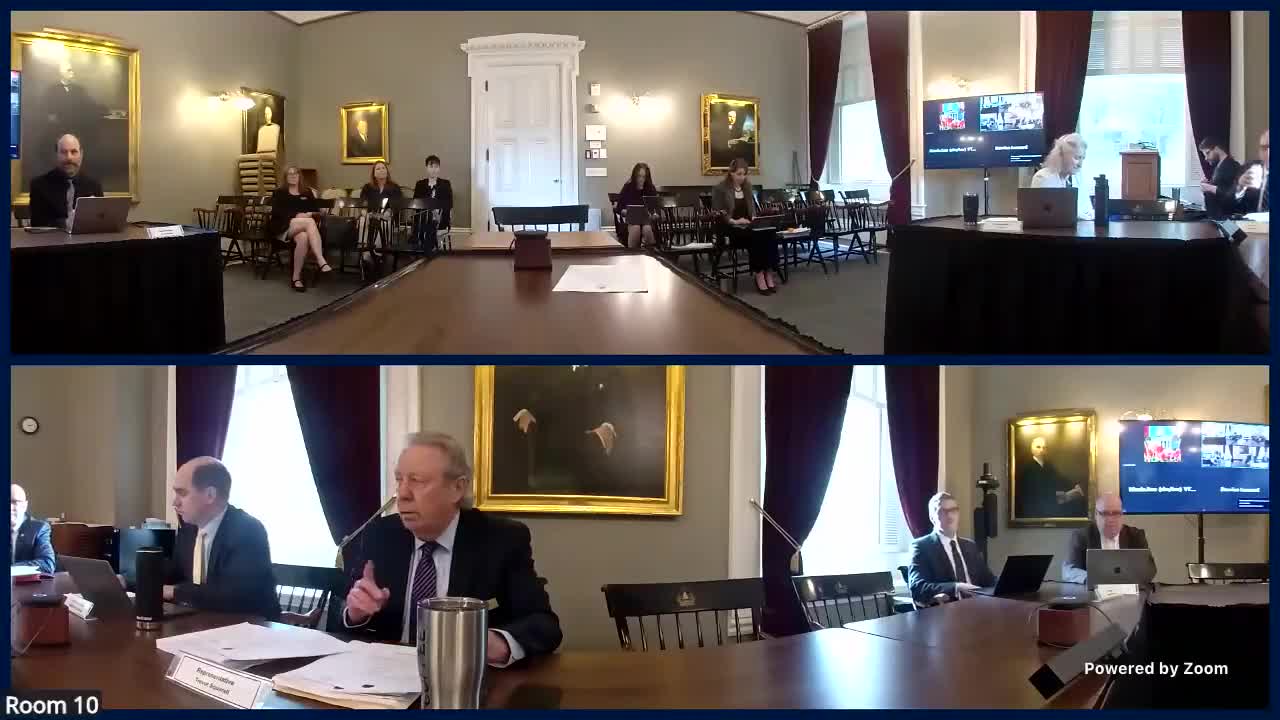
Emily Bridal, staff attorney with the Office of Professional Regulation, told the committee the state recognizes three credential types: registrations, certifications and full licensure, and these rules implement the middle level—an optional certification with qualifying requirements. Bridal said the Departments of Health and Mental Health drafted the substantive policy, ethical standards and codes of conduct; those departments “are going to be the departments issuing the credentials,” while OPR will operate the licensure process.
Committee members raised no recorded objections. Senator Wicks moved to approve 24 P 43; the committee responded with an affirmative voice vote.
The rule establishes that a person may practice peer support without the certification but must hold the certification to call themselves a “certified peer support specialist.” Bridal said the certification framework is commonly used so that providers can pursue reimbursement through Medicare, Medicaid and private insurers when applicable.
The committee did not record further amendments or conditions during the meeting. Implementation steps described on the record include OPR building the administrative process and ongoing collaboration with the Department of Health and the Department of Mental Health on substantive standards and ethics.
The committee scheduled other rule items later in the session; no additional follow-up specific to 24 P 43 was announced at the meeting.