
District moves to replace aging VRF systems at multiple elementary sites, cites heating reliability and long‑term upgrade costs
Get AI-powered insights, summaries, and transcripts
Subscribe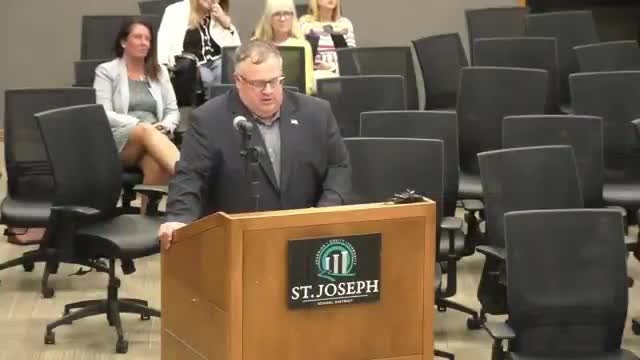
Summary
Administrators told the board they will replace variable‑refrigerant‑flow (VRF) HVAC units at several elementary schools after years of reliability issues in cold weather; the district also discussed long‑term options including larger four‑pipe replacements with estimated multi‑million‑dollar costs.
District officials briefed the board on a multi‑site plan to replace aging variable‑refrigerant‑flow (VRF) heating and cooling systems at a number of elementary schools, citing repeated performance problems at very low temperatures.
Casey, the district’s facilities lead, said the board had approved equipment purchases and contracts that will allow in‑house crews and contractors to remove the existing VRF systems and install replacement systems this summer. He and other administrators noted that VRF systems previously installed in several schools have required frequent repairs and, in some winters, left buildings unable to maintain safe occupied temperatures. “Those systems are not capable when it's 10 below here of keeping our buildings warm enough,” an administrator said during discussion.
Administrators described the work as phased: equipment purchases will allow crews to secure long lead‑time items and contractors will perform electrical and gas work that the district cannot do in‑house. For one comprehensive solution—replacing a building with a four‑pipe system that provides long‑term control and heating reliability—the district referenced an earlier Schneider cost estimate in the $4 million–$5 million range for a similar school, though staff said that estimate is several years old.
Staff emphasized that the district benefited from the VRF systems’ prior energy savings, but that the systems’ performance in extreme cold and rising repair expenses have made replacement the prudent choice. Administrators told the board the work will be funded from the district’s capital improvement plan and bond funds in combination with project‑specific adjustments; multiple individual contract approvals were recorded on the agenda and each passed during the meeting.
Board members asked about lead times, alternative approaches and local contractor participation; staff said much of the specialized equipment is offered through a limited set of vendors and lead times and single‑vendor bids are common for that reason. The district will continue to phase work through the summer and report back on progress.