Get Full Government Meeting Transcripts, Videos, & Alerts Forever!
Get email alerts on the Zoo Animals topic
No spam. Unsubscribe anytime.
Marshfield zoo manager wins committee approval to accept non-native hoofstock
Summary
The committee approved a change allowing consideration of non-native hoofstock species in the zoo collection after the zoo manager outlined animal care, survivability and staffing considerations.
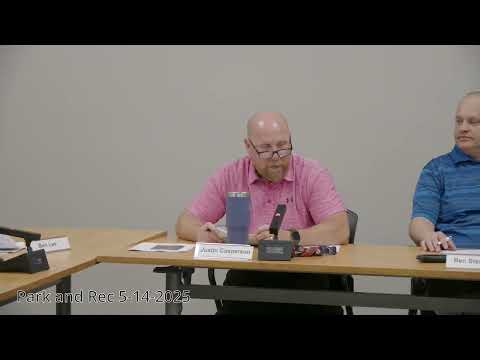
The Marshfield Parks and Recreation Advisory Committee voted to change policy language to permit consideration of non-native hoofstock species for the zoo collection, after a presentation from new zoo manager Kyle Kirk. The change allows the zoo to expand beyond a prior emphasis on North American species to include certain non-native hoofstock that staff say are better suited to local conditions and staffing levels.
Kirk, who identified himself as Marshfield’s new zoo manager, recommended the change to better match the zoo’s resources with long-lived, hardy animals. "It makes a whole lot more sense to go for something that's gonna be a lot more docile, that's not gonna try to rip our heads off, that I can look at you guys and say that I have a better chance of keeping them alive for longer," Kirk said during the meeting. He described non-native species such as mouflon and Aoudad as hardy and easier to maintain in the zoo’s facilities than native species like Dall or bighorn sheep at lower elevation.
The committee discussed animal health, biosecurity and staffing limits. Kirk noted U.S. Department of Agriculture (USDA) regulatory oversight and said specific housing or winter shelter adjustments might be needed for some species. He also said he had been in contact with other regional facilities and that non-native species could be cost-effective to acquire and maintain.
On the motion that the zoo may consider non-native hoofstock and to update public-facing material (website language) accordingly, the committee voted in favor; the chair called the motion carried after voices were recorded. During discussion, one member said she opposed changing the emphasis on North American species; other members said they trusted the zoo manager’s expertise given repeated health and survivability problems with some previously kept native species.
The committee did not approve specific acquisitions at the meeting. Kirk said the likely next steps, if the policy change stands, would include USDA compliance steps, sourcing animals, coordinating with other regional facilities for temporary placements and planning for health and breeding oversight. Kirk estimated that with two females and a male he "should maybe average 4 babies a year" once a breeding population is established; he emphasized that breeding and transfers would be handled according to USDA rules and inter-zoo agreements.
Quotations are taken from the meeting transcript and come from named speakers.