Get Full Government Meeting Transcripts, Videos, & Alerts Forever!
Get email alerts on the Gun Policy topic
No spam. Unsubscribe anytime.
Candidates differ on enforcement of federal gun law and the sheriff's lawsuit
Summary
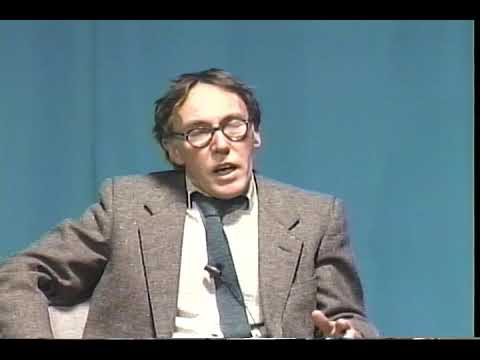
In a Missoula radio interview, Attorney General Joe Mazurek said his office did not take the lead on Sheriff Prince’s challenge to the Brady Act because of resource allocation and local representation; State Sen. Larry Baer said he would enforce federal law as written if elected AG.
The two candidates for Montana attorney general addressed enforcement of the federal Brady Handgun Violence Prevention Act and a related local legal challenge by a county sheriff.
Joe Mazurek said his office declined to take the lead defending Sheriff Prince's challenge to the federal law because it was not a matter in which the state was named and because of resource considerations. “We simply felt it was a matter of, allocation of resources, that it was not a fight that we were named in,” Mazurek said on the program.
Mazurek added that the state assembled a working group to help local officials implement federal requirements if the law was upheld; “we did assemble a working group to try to make the law work that was there in the event it was gonna be upheld,” he said. He also described the legal process as ongoing and said compliance would follow final rulings.
Sen. Larry Baer responded to callers asking whether he would enforce the Brady law if elected: “It will be my duty and responsibility to enforce every law upon the books,” Baer said. When pressed about a sheriff who had refused to enforce the five‑day waiting provision, Baer described the sheriff’s right to challenge a law but reinforced that elected law‑enforcement officials have a duty to enforce law as directed.
Why it matters: How the state attorney general’s office chooses to allocate legal resources, whether it defends statutes or assists local officials, and how it responds to local officials who refuse to enforce federal requirements are decisions with legal and political consequences.
Context: The Brady Act is a federal statute; Mazurek framed the office’s role as responding within resource constraints and urging local compliance if the law survives judicial review. Baer emphasized a straightforward enforcement position and urged those opposed to laws to seek legislative change.
Discussion vs. decision: The broadcast documented candidates’ positions and described a pending legal challenge; no new legal filings or enforcement actions occurred during the program.