Get Full Government Meeting Transcripts, Videos, & Alerts Forever!
Get email alerts on the Land Trust And Mining topic
No spam. Unsubscribe anytime.
Candidates split on school-trust lands, mining permits and university land sales
Summary
Attorney General Joe Mazurek and State Sen. Larry Baer discussed the Land Board’s fiduciary role, pending mining permits on state school trust lands and an investigation into university land sales; Mazurek emphasized balancing long-term trust income and environmental concerns, Baer argued for strict adherence to the law.
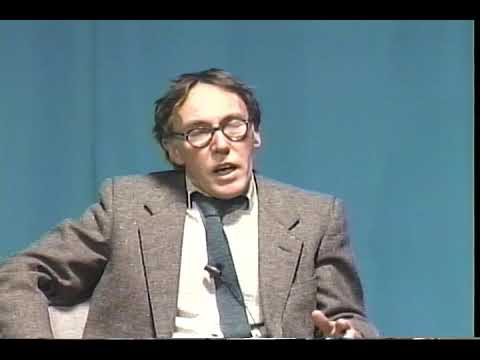
Attorney General Joe Mazurek and State Sen. Larry Baer gave contrasting accounts of how Montana should manage state trust lands and respond to allegations about past University of Montana land sales.
“the objective is to maximize income to the trust,” Mazurek said, describing the Land Board’s duty to fund the Common School Trust while balancing environmental and long-term asset concerns.
Why it matters: State-owned school trust lands and sales by constitutional bodies such as university regents determine revenue for K‑12 funding and can prompt legal, environmental and public-trust questions.
Mazurek said the Land Board must weigh “the value of the public asset itself as the land” against mineral interests and environmental impacts when considering leases or operating plans for mines that would operate on state land. He described the permitting decisions as primarily the work of the Department of Natural Resources and the Department of Environmental Quality, with the Land Board reviewing operating plans for state-owned parcels.
On the question of a proposed gold-mining operation near Lincoln (the 7 Up Pete Mine), Mazurek said such projects are typically explored under lease and then the Land Board considers the operating plan and the potential adverse effects. The host referenced a company chart showing $55 million to Montana Tech over a mine’s life; Mazurek said trustees must consider both immediate revenue and long-term corpus protection.
The two disagreed about the recent investigative report Mazurek’s office issued about university land sales. Mazurek said many sales, though not technically compliant with every statutory step, “by and large, got reasonable prices for the land” and placed the proceeds into the university system; his office recommended legislative ratification as a pragmatic remedy. “I don't think that this investigation…was our conclusion that there were ethical violations,” Mazurek said.
Baer characterized the same set of land sales differently. “I believe the law should be adhered to… I don't think special favoritism should be given to anyone,” he said, and called post‑facto ratification “reprehensible” if it shields improper conduct.
Discussion vs. decision: The interview recorded candidates’ policy positions and the AG office’s investigative recommendation; no Land Board decision or legislative action occurred during the program.
Clarifying details: Mazurek said the Land Board will consider a forest-management plan at its June meeting, and noted that timber management should balance sustainable yield and public access. Baer said he would not sign a petition to loosen environmental protections that he said would repudiate his legislative votes.
What’s next: Mazurek said the Land Board and permitting agencies will continue case‑by‑case evaluations of operating plans; Baer said enforcement of statutory procedures should be pursued and, if necessary, corrected by legal means or legislative action.