Get Full Government Meeting Transcripts, Videos, & Alerts Forever!
Get email alerts on the Local Development topic
No spam. Unsubscribe anytime.
Host raises neighborhood concerns over Chestnut Street development, questions UM Foundation land sale
Summary
During a public conversation in Missoula, host McCarty Coyle criticized a new housing project at Chestnut Street and First Street as out of scale with the neighborhood and called attention to a proposed University of Montana Foundation sale of nearly 500 acres that he said warrants local scrutiny.
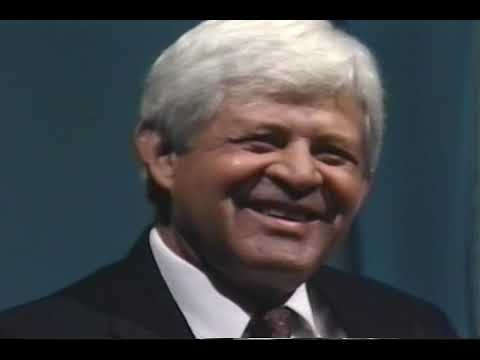
McCarty Coyle, host of a public conversation program in Missoula, said Thursday that a recently approved housing project at the foot of Chestnut Street and First Street appears out of scale with the nearby neighborhood and McCormick Park.
"There's a monstrosity that seems to be rising up at the foot of Chestnut Street, and McCormick Park," Coyle said, describing the building and saying it appears "totally out of proportion" to what residents had expected after the city planning and council process.
The complaint referred to last year’s Parkside townhouse hearings, in which Coyle said roughly 40 people had spoken against elements of the development. He read a 1992 letter from the builders — signed by Tom Deboni and Jack Meyer and addressed to him — that thanked him for his "brilliant use of wit and sarcasm" during those hearings. Coyle said the finished building differs from what the neighborhood believed had been agreed during the approval process.
Coyle also raised questions about the University of Montana Foundation’s plans involving land near Fort Missoula. "The University of Montana Foundation owns almost 500 acres, which they're planning on selling to some developers," he said, noting the reported sale price of about $5,000 per acre for riverfront land. "That price sounds like an excellent deal to me," he said, adding the foundation expects the proceeds to support scholarships.
Why it matters: Neighborhood design and riverfront land use affect local character, housing supply and the distribution of public benefits tied to land sales. Coyle suggested the community should closely review the Foundation’s deal and consider whether portions of any development could include student- or scholarship-linked housing.
Coyle said he was not opposed to some housing at the Chestnut site when the hearings were held, but he had raised concerns about design and accessibility. He urged listeners to look at the new construction and judge whether the project matched the public discussions held during review.
The transcript does not include responses from the developers, the University of Montana Foundation or city planning staff on the record during the program, and no formal city action was taken at the broadcast. Coyle described the Parkside hearings as having generated substantial neighborhood opposition but did not identify specific changes to approvals or conditions that occurred after the hearings.
Local context: The University of Montana Foundation holds land that is part of the city’s riverfront and adjacent to recreational uses; Coyle said the foundation intends to use sales proceeds for scholarships but questioned whether the sale price reflected the land’s market value and whether the deal should be structured to include innovative student housing.
Coyle closed by urging community attention to both the Chestnut Street development and the foundation land sale, suggesting creative housing options could be considered as part of any project.