Get Full Government Meeting Transcripts, Videos, & Alerts Forever!
Get email alerts on the Narcan Population Health topic
No spam. Unsubscribe anytime.
BCFD’s leave‑behind Narcan program reports large distribution and reduced calls, officials say
Summary
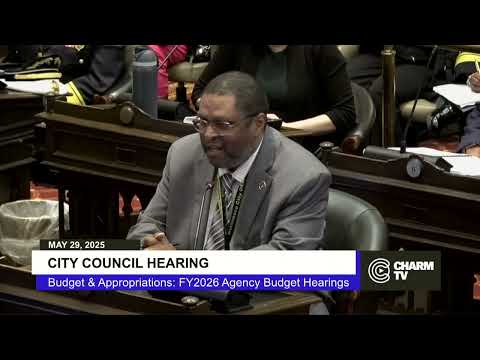
Assistant Chief James Matts and BCFD leaders described a city leave‑behind Narcan program that has supplied thousands of naloxone kits to people in the community and said that increased distribution has contributed to reduced overdose call volume in recent reporting.
Assistant Chief of EMS James Matts told the committee the department’s ‘leave‑behind’ naloxone program has distributed tens of thousands of doses and that the initiative has been associated with a decline in some overdose calls.
Program performance and supplies: Matts said the department’s leave‑behind program had distributed 15,290 naloxone kits (about 30,000 doses) as of a recent week; earlier figures shown during questioning referenced 9,324 kits in reporting year targets. Matts said the program had also left fentanyl and xylazine test strips, wound‑care kits, and other resources in the community and that outreach workers have connected people to treatment: Matts reported 722 people placed into treatment through outreach team efforts.
Operational impact: Matts described the program as reducing some EMS call volume for overdoses. In testimony he said, “We've calculated last year roughly, 29, 20 8, 20 9 percent reduction in those calls,” language he used to describe a measurable decline in overdose-related dispatches; he linked that result to naloxone distribution and community engagement. The department said that intranasal naloxone used in leave‑behind kits is provided under an ORP framework and that the state supplies many of those kits; BCFD supplies paramedic-level injectable blood products and other clinical tools are under active consideration and cost review.
Context and next steps: Chief Wallace and Matts said the leave‑behind program is part of a broader population‑health strategy that includes Narcan distribution, wound care and referrals to treatment. The department is pursuing grants and restitution funds (opioid‑related settlement dollars) to support expanded community health interventions and said continued partnerships will be needed to convert outreach success into sustained treatment access.