Get Full Government Meeting Transcripts, Videos, & Alerts Forever!
Get email alerts on the Victim Services topic
No spam. Unsubscribe anytime.
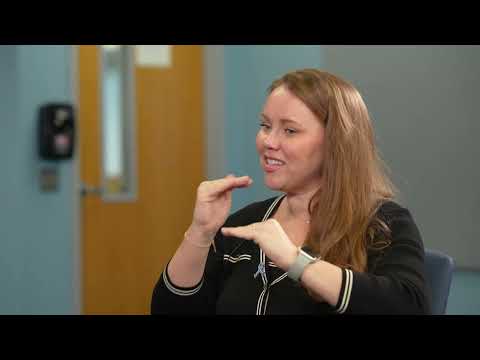
Kara Robison Chamberlain urges survivor-centered choice, group counseling on Navajo County podcast
Summary
At a broadcast of the Shooting Straight podcast, keynote speaker and survivor Kara Robison Chamberlain emphasized the importance of survivors feeling "seen," the value of victim-advocacy resources and group counseling, and allowing survivors choice during forensic exams and healing processes.
Kara Robison Chamberlain, a survivor and keynote speaker, told listeners on the Shooting Straight podcast hosted by Navajo County Attorney Brad Carline and Navajo County Sheriff David Klaus that being truly "seen" by people who understand is a critical step on the path to healing.
Chamberlain, who recounted being a victim in 2002 and later working in law enforcement and victim services, said encountering other survivors helped her move from surviving to thriving. "If we're very lucky, if we're supported, if we're privileged that we can choose to not be defined by this bad thing that happened ... I'm refined by it," she said.
She recommended that survivors and supporters use victim-advocacy centers and group counseling as practical resources. "One of the things our Navajo County Family Advocacy Center does is we offer counseling services, but also group counseling," Sheriff David Klaus said on the program. Chamberlain described how sitting with six other women who had similar experiences allowed her to recognize shared responses and begin healing: "they would name things and I'd go, 'Yeah, me too.'"
Chamberlain urged responders to preserve survivors' agency. Addressing a forensic nursing scenario, she said professionals must respect a survivor's immediate choices even when doing so could affect evidence collection: "You have to let them leave because you are dealing with someone who had their ability to choose anything taken away from them."
She also described practical steps that helped her: using victim services when available, exercising, and finding personal coping strategies. Chamberlain said the hardest step is the first disclosure: "the hardest thing is the first time saying someone took advantage of me," and she called acknowledging that disclosure an important milestone toward recovery.
Hosts Brad Carline and David Klaus framed the conversation as part of local efforts to improve victim services and outreach. Carline introduced Chamberlain as the keynote speaker at the county's victim-rights symposium; Klaus highlighted the county Family Advocacy Center's services and group counseling availability.
The broadcast did not include policy votes or formal decisions. Instead, it focused on survivor experience, resources available in Navajo County, and practices for victim-centered response. Listeners were directed to local victim-advocacy resources and encouraged to prioritize survivor choice and agency.
Chamberlain closed with an emphasis on hope and long-term integration: "Do you get over it? No. Do you get past it? Not really. You just learn to accept it as part of what makes you the person that you are right now." The program ended with thanks to Chamberlain and the hosts for the discussion.