Get Full Government Meeting Transcripts, Videos, & Alerts Forever!
Get email alerts on the Labor Budget topic
No spam. Unsubscribe anytime.
CAO explains labor negotiation timeline and budget impacts; council seeks changes to supplemental process
Summary
Faith P. Leach explained that budget assumptions use last best-and-final offers in bargaining and that arbitration can change costs; council members urged structural changes to reduce retroactive supplemental requests tied to vacancies and overtime.
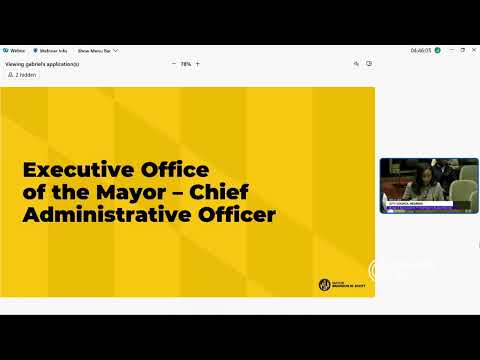
Council members raised long-standing concerns about vacancies, overtime spending and retroactive supplemental budget requests. City Administrator Faith P. Leach explained the labor-negotiation timeline and how budget assumptions interact with bargaining outcomes.
Leach described the process: agencies and the Office of Labor Commissioner negotiate with unions; if talks reach impasse the next step is arbitration, where a third party picks either the city's or the union's last, best and final offer. "If we cannot get to a deal with our union partners, then we go to impasse ... and then the next step is arbitration," she said. The administration budgets work using the last, best and final offer and will only put a higher wage offer on the table if it can identify offsets.
Council concerns and administration response
- Vacancy vs. need: Council members argued that long-term vacancies correlate with higher overtime and contracting; Leach said many vacancies reflect prior pandemic-era reductions and that some positions remain necessary to meet service levels.
- Supplemental budgets: Council President Z. Cohen and others urged the administration to create a process that reduces mid-year supplementals and improves quarterly reporting; Leach acknowledged the problem and pointed to Workday and other system improvements as tools to add checks and balances.
Next steps: Leach and council leaders agreed to pursue follow-up meetings to design process changes intended to reduce the need for emergency supplemental appropriations and increase transparency about vacancy planning and overtime forecasting.