Get Full Government Meeting Transcripts, Videos, & Alerts Forever!
Get email alerts on the Psychotropic Medication And Substance Use Treatment topic
No spam. Unsubscribe anytime.
Experts and youth in Los Angeles County debate psychotropic medication use and access to substance‑use treatment for system‑involved youth
Summary
Clinicians, the executive director of the Los Angeles County Office of Child Protection and young people with lived experience discussed concerns about overmedication, monitoring protocols, and access to life‑saving medications for opioid use disorder on a recent episode of the Talk to Me podcast.
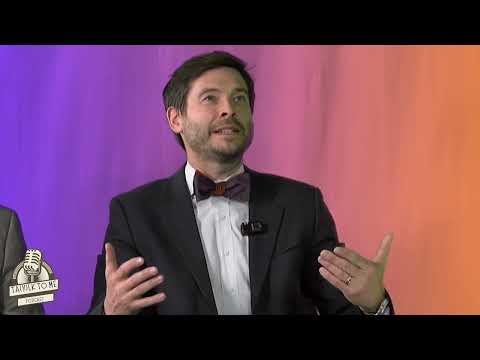
On a recent episode of the Talk to Me podcast, clinicians, county child‑welfare officials and young people with lived experience discussed the use of psychotropic medications and access to substance‑use treatment for youth in Los Angeles County foster care and juvenile justice settings.
The conversation centered on three linked concerns: identifying substance use accurately, ensuring psychotropic medications are prescribed for clinical need rather than to control behavior, and improving access to medications that reduce overdose risk for youth with opioid use disorder. "Vigilance is one of the key words for everybody," Michael Nash, executive director of the Los Angeles County Office of Child Protection and a former juvenile court judge, said, arguing that judges and practitioners must closely review diagnoses and monitoring information before approving medications.
Why it matters: Los Angeles County handles a large population of system‑involved youth and, according to Nash, processes exist to check psychotropic prescriptions. Nash described county protocols that require clinicians to submit a completed form when recommending psychotropic medication, a six‑month review cycle and a youth engagement worksheet intended to document that young people know what they are taking and why. "If I don't have all that information, then I can't make the decision," Nash said of a judge's review of medication requests.
Child psychiatry and addiction experts on the podcast stressed that substance‑use treatment can require a different approach than other mental‑health prescribing. "There are medications that are safe in adolescents and young adults that can prevent that overdose," said Dr. Scott Hunter, a child and adolescent addiction psychiatrist who treats youth in carceral settings. He urged clinicians to identify opioid use and offer evidence‑based medications early, and he recommended making naloxone (Narcan) broadly available as an immediate overdose‑reversal tool.
Young people who spoke about their experiences described long histories of multiple medications beginning in childhood. One participant said she began taking medication at age 7 and spent years on multiple psychotropics; another described starting at age 5 and remaining medicated into her twenties. Those speakers said they often felt medication was used to control behavior and questioned whether diagnoses had been adequately established. "I was on several different medications... I don't think I necessarily was in charge of anything," one youth with lived experience said, describing limited involvement in decision‑making while in care.
Panelists described practical barriers that push clinicians toward quick prescribing: short appointment windows, caregivers or schools pressing for immediate solutions, and clinicians working without continuity of care. Nash said judges are not trained psychiatrists and must rely on competent clinical reports; when forms or reports conflict, he said, judges may withhold approval until discrepancies are resolved.
Panelists offered calls to action: clinicians should create confidential opportunities to hear directly from youth, slow down prescribing when information is incomplete and monitor effects after a medicine is started; advocates and caregivers should help youth practice how to describe side effects and preferences to clinicians; and youth were encouraged to educate themselves about their rights and to speak up about side effects and treatment goals.
The episode noted county‑level practices intended to limit inappropriate prescribing — including requirements for periodic reporting and a youth engagement worksheet — while acknowledging those systems are imperfect and rely on careful attention from judges, clinicians, social workers and caregivers. Panelists also emphasized access to opioid‑specific treatments and naloxone as immediate priorities given the prevalence of fentanyl in the illicit drug supply.
Resources mentioned on the episode — including the county's youth‑engagement materials, overdose reversal guidance and listings of local treatment programs — were said to appear in the podcast credits.