Get Full Government Meeting Transcripts, Videos, & Alerts Forever!
Get email alerts on the Land Use topic
No spam. Unsubscribe anytime.
Residents and callers criticize University of Montana land sale and Divot Development plan for Fort Missoula
Summary
McCarthy Coyle, host of the public conversation, led a lengthy on-air discussion about plans for Fort Missoula after she said the University of Montana and its foundation are exploring a sale or development of land there.
McCarthy Coyle, host of the public conversation, led a lengthy on-air discussion about plans for Fort Missoula after she said the University of Montana and its foundation are exploring a sale or development of land there.
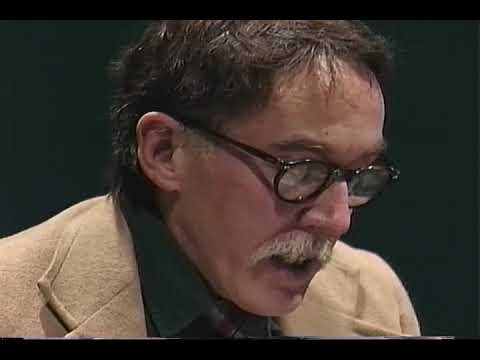
The topic drew multiple callers and a guest, Richie Doyle, who described his training in architecture and environmental design and criticized suburban-style proposals. "We no longer live in a human scaled environment," Doyle said, arguing that current development patterns prioritize automobiles and sprawl over mixed-use, walkable communities.
The on-air remarks focused on several recurring concerns: the fate of a large stable building at Fort Missoula (which Coyle said was built in 1915 and that developers want torn down); a proposed development described on the program as about 303 homes; loss of an open, riverfront greenspace and bird habitat; and plans the hosts said could include a business school and new parking. "They want to put up a parking lot on the north side of the river," Coyle said during the program.
Coyle and callers pressed whether the University of Montana Foundation has honored the original terms under which the land was given to the university. Coyle said the land was deeded to the university in the late 1960s with a stipulation it be used for educational purposes; she said she did not understand how the current sale or development proposals square with that history.
Speakers on the program suggested alternatives to selling or clearing the site: converting existing buildings into low-cost housing or dormitories, offering art or studio spaces, turning structures over to Habitat for Humanity or community groups, or locating campus facilities and parking in other parts of the university footprint to preserve the Arthur Avenue greensward. A caller and the host discussed reserving housing for students who pledge not to keep cars, and another caller proposed using existing parking lots to build below-grade decks and place academic buildings above to save the Greensward.
Coyle also said she spoke with an unnamed financial analyst downtown who, she reported, characterized proceeds the University of Montana Foundation expects to reserve for scholarship endowment as limited; Coyle described an example figure given on-air for the scholarship yield from a cited $500,000 principal. (The program did not present a written analysis or a named municipal or university document to corroborate that estimate.)
On-air participants repeatedly framed the development question in broader terms of local land stewardship, historic preservation and transportation policy. Doyle and others tied the Fort Missoula debate to a critique of automobile-centered land use and urged denser, mixed-use alternatives. Callers also raised concerns about bird habitat near the river and asked whether the development proposal had accounted for that resource.
No formal votes, motions or municipal decisions were recorded on the program. The segment was a public conversation and listener call-in show; speakers identified proposals, offered opinions and suggested alternatives, but the broadcast did not report a final administrative action by the university, the foundation or the city.
Reporting note: direct quotes and attributions in this article come from the on-air guests and callers listed in the meeting transcript of the public conversation.