Get Full Government Meeting Transcripts, Videos, & Alerts Forever!
Get email alerts on the Elections Administration topic
No spam. Unsubscribe anytime.
Montana secretary of state says elections office must ‘tear down barriers’ while declining to endorse fusion voting
Summary
Secretary of State Mike Cooney said the office’s most important duty is running elections, called for reforms that make it easier to participate, and said he has not fully studied fusion voting used in other states but would consider measures that broaden voter and candidate access.
Secretary of State Mike Cooney said the most important work of his office is running elections and that he supports reforms that expand voter and candidate participation, though he says he has not studied every option in depth.
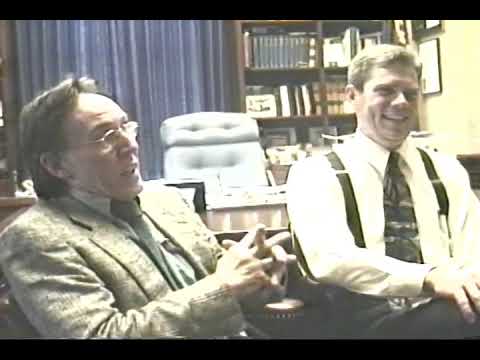
"First of all, secretary of state is the head of elections," Cooney said, adding that elections are "the cornerstone of our democratic process." He told interviewer McCarthy Coyle that he favors measures that "tear down barriers" that keep people from participating as candidates or voters.
Cooney declined to endorse any specific fusion-voting model now used in places such as New York, saying "I've not studied it, and it's never really been brought up as a viable option in Montana." He said greater access to candidates "gives people a bigger choice," but framed his comments as exploratory rather than a policy commitment.
On the mechanics of party processes, Cooney said caucuses and primaries have different trade-offs: caucuses can "empower a lot of people" but are "time consuming" and logistically difficult, while primaries are more convenient for voters. He said Montana should keep seeking ways to bring new people into the system.
Cooney also described the secretary of state's role as relatively nonpolitical compared with other statewide offices and said that fact allows the office to provide services without being constantly embroiled in controversy.
The interview placed the election topics in the context of local developments in Missoula, where new party activity has reshaped city politics; Cooney said change is difficult but that additional parties "represent more people" and can broaden participation.
No formal actions or policy changes were announced. Cooney emphasized that any structural change to Montana's ballot access rules would require study and, if needed, legislation or rule changes handled through the normal legal and legislative processes.