Get Full Government Meeting Transcripts, Videos, & Alerts Forever!
Get email alerts on the Student Voice topic
No spam. Unsubscribe anytime.
West Valley High highlights student panels, survey gains and expanding peer-tutoring
Summary
At the May 27 West Valley School District board meeting, high school staff described a year of student panels, rising student-survey scores, a freshman support course and growth of a peer-tutoring program aimed at improving belonging and academic outcomes.
West Valley School District officials presented a year-end report on May 27, 2025, detailing new student-engagement strategies at West Valley High School that the district said have increased students’ sense of safety and connectedness and expanded peer tutoring and freshman support.
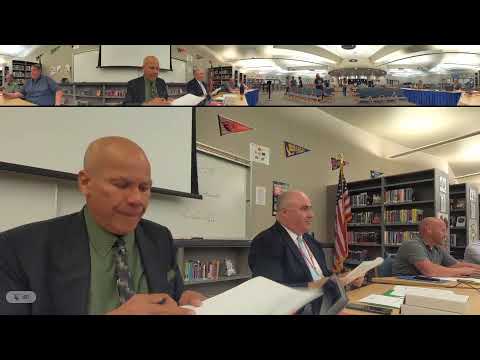
The presentation, given to the West Valley School District Board of Directors by Principal Ben McMurray, outlined four initiatives: monthly student panels, semester-long student focus groups, student surveys run with the Center for Educational Effectiveness and a planned student-shadowing program for next year. McMurray told the board the panels bring random students into small teacher-led conversations so educators can hear candid feedback.
The student survey results presented for the year showed an increase in some measures of safety and adult connection. McMurray said the district averaged about 700 student responses per survey cycle and that the percentage of students answering they feel safe at the high school rose from about 62% (fall 2023) to roughly 71% by fall 2024, with additional gains later in the year. He said the district adjusted the survey format this year to reduce neutral answers and get clearer yes/no responses.
McMurray and staff described a freshman-success effort that used semester-grade tracking to identify students who needed support and a CTE-funded elective called “High School 101,” a study-skills course for incoming ninth-graders. The principal said the program gives students a path to “earn their way out” of the support class by passing all classes by the end of the semester.
Erica Daley, a high school math teacher who leads the peer-tutoring program, said the district began piloting teacher assistants and peer tutors in prior years and has formalized the model. She said tutoring expanded from 31 students serving as tutors in first semester to 41 in second semester, with most continuing from the fall. Tutors meet weekly with Daley and complete training on confidentiality, lesson planning and teaching strategies. Daley described targeting tutors who explain concepts well and who demonstrate resilience and strong peer skills.
Student tutors gave the board first-person accounts. Audrey Keller, a senior, told the board, “I have had such a wonderful experience being a peer tutor for the past 2 years. Being a tutor has prepared me for my future career as a teacher in so many ways. I’ve learned a lot from my mentor teachers.” A second tutor who asked to remain anonymous wrote that peer tutoring “has prepared me in communication and perspective skills” and helped her tutor freshmen and sophomores. Natasha Colombo, another tutor quoted in the presentation, said peer tutoring taught her “the patience and insight to seek out students who may have been given up on by a tired teacher or a frustrated parent.”
Board members asked detailed questions about the programs. One member asked how the panels differ from semester-long focus groups; McMurray said focus groups meet once a month with the same students across a semester, while panels bring different, randomly selected students to short conversations led by different teachers. Members also raised homework and math concerns; presenters said students prefer to do practice and ask questions in class while retaining the option to practice at home.
No formal board action was required or taken on the programs presented; staff described next steps including rolling out student shadowing in the next school year, continuing the peer-tutoring expansion with a planned partnership between peer tutors and the National Honor Society, and using a QR-code sign-up to increase equitable access to tutoring.
The presentation concluded with staff and board members praising the student-engagement work and with McMurray noting plans for continued emphasis on relationships, social-emotional learning and equity.