Get Full Government Meeting Transcripts, Videos, & Alerts Forever!
Get email alerts on the Transportation Funding topic
No spam. Unsubscribe anytime.
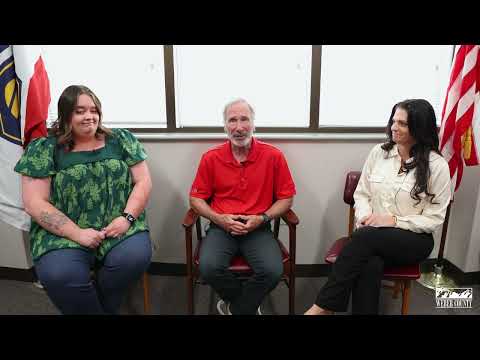
Weber County staff summarize transportation projects funded by voter-approved local option sales tax
Summary
County staff described the funding process for local transportation projects supported by a 0.25% local option sales tax and a $10 motor vehicle registration fee approved by voters in February 2007; agreements for most projects on the 2024 priority list were approved at the commission meeting held the day before the excerpt.
Brooke Stewart, who oversees Weber County’s local transportation funding process within county community development, said voters approved a 0.25% local option sales tax and a $10 fee on motor vehicle registrations in February 2007 to fund transportation projects across the county.
Stewart described the annual process: local governments and the transit district submit project applications; the Weber Area Council of Governments and a six-elected-official subcommittee review applications, conduct site visits, and develop a prioritized list; WACOG then makes a final recommendation to the county commission for approval. Stewart said the agreements presented at the commission meeting the day before the excerpt covered the majority of projects on the 2024 transportation priority list.
Stewart noted that three approved projects in the package were for corridor preservation and were programmed for 2026, while the remaining projects were construction contracts programmed for 2027. Commissioner Gage Froy and staff framed the program as a recurring, local funding source that has supported many community road and transit improvements.
The transcript excerpt did not provide project-level dollar amounts, individual project descriptions, the total number of projects approved, or recorded roll-call votes for the agreements; it described the governance and scheduling of funds and the years when funds are programmed for work.