Get Full Government Meeting Transcripts, Videos, & Alerts Forever!
Get email alerts on the Housing And Fair Housing topic
No spam. Unsubscribe anytime.
Moline council accepts regional fair‑housing report despite questions over ADU and zoning accuracy
Summary
The Moline City Council voted 7–1 to accept a 2025 analysis of impediments to fair housing and a regional housing needs assessment used to guide the 2025–29 HUD consolidated plan, while council members pressed staff about apparent inaccuracies on accessory dwelling units and zoning density.
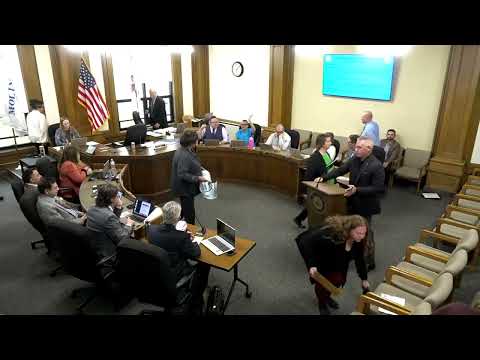
At its April 22 meeting, the Moline City Council voted 7–1 to accept the 2025 "Analysis of Impediments to Fair Housing Choice" covering Moline, Rock Island and Davenport and to adopt a companion 2025 housing needs assessment that officials said will guide the city's 2025–29 HUD consolidated plan and future CDBG and HOME funding uses.
The reports, presented by city staff, are intended to form the baseline for the city's consolidated action plan to the U.S. Department of Housing and Urban Development (HUD). KJ (staff member) told the council, "We did hold a 30 day comment period for the public. We did not receive any comments." KJ later added that the documents provide a "baseline" for the consolidated action plan and that staff could note corrections in the plan sent to HUD.
Council members pushed back on several findings they said appear inaccurate. Alderman Timmyan asked staff what would happen if the council did not accept the analysis and flagged a claim in the report that Moline allows accessory dwelling units (ADUs) in only two scenarios. Timmyan asked, "So if that's inaccurate, what else might be inaccurate?" and said the omission raised doubts about the report's validity as the basis for the consolidated plan. Chris Parr (staff member) responded when called to the podium and said the data collection and zone review had been explained to council staff but acknowledged the concern about whether the consultants used an outdated zoning code.
Alderman Schmidt and others noted the report treats the existence of multifamily zoning as a binary check rather than analyzing whether the zoning effectively permits higher density or affordable housing by right. "They just check to see if it exists, not if it's actually an impediment or not," Schmidt said during discussion, arguing the city's high percentage of single‑family acreage could still create practical impediments to housing supply.
City staff told the council the analysis will be used in the 2025 consolidated action plan and that, although the public comment window closed (staff cited an April 18 end to the comment period), staff will incorporate council feedback and corrections into the plan documents before submission to HUD. The council accepted the analysis of impediments by a 7–1 vote and approved the housing needs assessment in a separate motion that passed with all votes in favor.
The reports are advisory tools the city said it will use to identify activities for federal CDBG and HOME funding for 2025–29. Staff warned that the final consolidated plan and subsequent annual action plans will guide actual funding and projects and that the availability of HUD funds remains subject to federal appropriations.
The council and staff agreed the analysis should be corrected where it misstates local zoning practice, particularly references to ADU allowances and whether multifamily districts permit higher density by right. Staff said corrections and notes will be incorporated into the consolidated plan documents before submission to HUD, and the matter will inform forthcoming planning work on the city’s comprehensive plan and zoning updates.
Next steps: staff will note the council’s corrections in the consolidated action plan materials to HUD, proceed with annual action planning tied to the 2025–29 consolidated plan, and incorporate housing‑policy issues into the upcoming comprehensive‑plan process and strategic planning discussions.