Get AI Briefings, Transcripts & Alerts on Local & National Government Meetings — Forever.
Public health outlines targeted outreach, training and monthly awareness events for suicide prevention
Loading...
Summary
Laredo public-health staff told the Suicide Prevention Committee that mapped overlays of depression and distress show local hotspots; staff proposed outreach in barbershops and salons, training for businesses, and a recurring 'You Are Not Alone' rally and materials distribution.
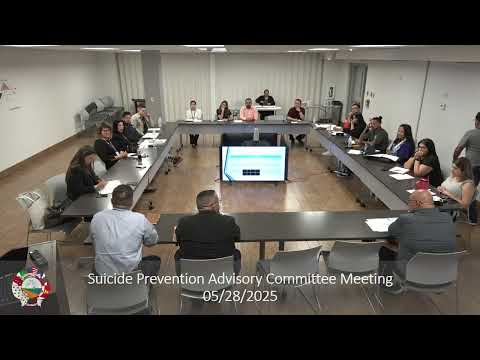
Laredo public-health staff reported at the April 28 Suicide Prevention Committee meeting that local data show elevated depression and frequent mental-distress rates in parts of the city and proposed targeted outreach and training to address those areas.
The public-health presenter (Karen, title not stated) said the department’s snapshot and average-based projection show suicide-related activity could increase roughly 61.1 percent if current trends continue. The presenter said public-health staff identified priority ZIP codes by overlaying local incident data with CDC PLACES and Behavioral Risk Factor Surveillance System metrics and recommended outreach at gun shops, barbershops and hair salons.
Health-education and harm-reduction staff described plans to prioritize an outreach campaign for Mental Health Awareness Month and to pilot Adult Mental Health First Aid training for local businesses and law-enforcement partners. Committee members noted other training resources: a speaker referenced a Harvard Online module on understanding depression available for about $30 and offered to share the link with the group.
The meeting also highlighted recurring community activities: organizers described a monthly “You Are Not Alone” awareness rally held the last Friday of each month and encouraged volunteers to distribute printed materials at businesses that will accept drop-offs. Presenters said they have begun mapping outreach locations and tracking engagement metrics and promised to share data links with stakeholders.
Why this matters: Public-health staff said targeting outreach to places where people gather could improve early identification and referrals and that training for businesses and first responders is part of a prevention strategy to reduce crisis events.
No formal funding decisions were made at the meeting; presenters asked the committee to help identify outreach locations, volunteer leads and partners to maintain a sustained campaign.