Get Full Government Meeting Transcripts, Videos, & Alerts Forever!
Get email alerts on the Crisis Response And System Gaps topic
No spam. Unsubscribe anytime.
Committee identifies gaps in crisis response: 988 transfers, hospital beds and transport delays
Summary
Committee members and a law-enforcement presenter said diversion to 988, limited local psychiatric beds and lengthy transport to San Antonio create delays in care; presenters proposed a regional 24/7 navigator network, a suicide-prevention coordinator and a secure stakeholder portal to improve follow-up.
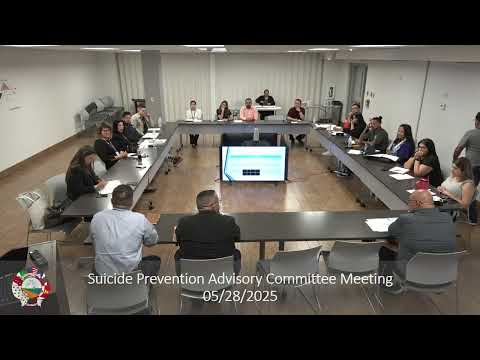
Maricela Salinas Jackman, speaking from a law-enforcement perspective at the April 28 Suicide Prevention Committee meeting, described gaps in local crisis response that can delay care for people in acute crisis.
Jackman said calls that route through 988 can be time-consuming and that some callers on 988 experienced long waits or unresolved calls. She described the typical law-enforcement response when officers encounter someone they believe is a danger to self or others: officers secure the scene, transport the person to an emergency room and rely on physicians to determine whether detention or further psychiatric care is necessary.
Jackman said state law sets the standard for emergency detention. “The law is under the Health and Safety Code. We cannot just detain someone without having to show that they are in danger of coming to harm themselves or someone else,” she told the committee. She added that hospitals sometimes resist or delay evaluations and that securing a psychiatric bed can require arranging transport to San Antonio, which increases delays.
Committee discussion identified several potential fixes presented during the meeting: creating a codified suicide-prevention coordinator role (citing a Montana statute as an example of a jurisdiction that codified such a position), building a secure, searchable stakeholder portal or communication platform (for example Slack or Microsoft Teams) to share survivor contact data and service referrals, and developing a regional 24/7 “navigator” network so local callers reach a response team with regional knowledge rather than long national transfers.
The presenters also described operational limits of local units: Laredo Police Department’s mental-health unit is small, transport and bed-finding consume officer time, and repeat calls for the same individuals are common. Committee members discussed the idea of pooling stakeholder staff for rotating remote shifts to provide more continuous local/regional response capacity.
Why this matters: Committee members said process delays and fragmented communication can reduce opportunities for timely intervention and for consistent postvention outreach to survivors. The group recommended exploring structural changes, improved interagency communications and regional coordination rather than immediate policy changes at the meeting.
No formal votes were taken at the meeting; the proposals were discussed as recommendations for further study and coordination.