MassDEP begins midcourse review of organics action plan; disposal‑ban thresholds and outreach flagged for follow‑up
Loading...
Summary
At a MassDEP organics subcommittee meeting staff and stakeholders reviewed progress under the 2030 solid waste master plan, discussed opportunities to expand donation and prevention, and flagged options for changes to the state’s food waste disposal ban and for outreach to small/medium businesses and residents.
John Fisher, deputy division director for solid waste at the Massachusetts Department of Environmental Protection, opened the organic subcommittee meeting by placing the session in the context of a midcourse review of the agency’s 2030 Solid Waste Master Plan.
Fisher said the meeting would focus on food waste prevention, donation and rescue programs and would help inform whether MassDEP should change the state’s existing food waste disposal ban thresholds. He said the agency had committed in the master plan to revisit progress in 2025 and to develop recommendations for the remaining five years of the ten‑year plan.
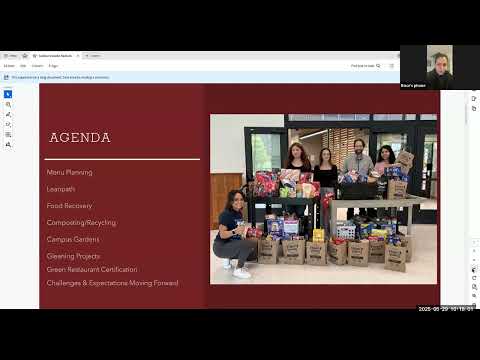
Presentations from Sodexo and a Roche Brothers–Spoonfuls partnership illustrated prevention and recovery opportunities in institutional and retail sectors. Fisher highlighted national estimates from REFED that only a small portion of surplus food is donated and said state action could increase capture of edible food for donation while prioritizing prevention.
Participants discussed barriers to expanding donation and prevention. Retailers and nonprofit partners cited route funding and staffing limits, department‑level workflows (absence of donation bins in some departments), brand or store rules about categories such as meat or seafood, and the need for onboarding materials and date‑label guidance. Carrie Parcel, a municipal assistance coordinator with MassDEP (Cape identity noted in comments), described local capacity and grant programs and suggested flexible, rotating grant structures to reach communities with different needs.
Fisher said MassDEP staff will follow up with additional outreach, collect information on small‑ and medium‑business collection options and review infrastructure—including composting, anaerobic digestion and intermediate processing—before advancing recommendations on disposal‑ban thresholds. He said the agency aims to assemble recommendations by the end of the year but noted scheduling constraints over the summer could push the next meeting to September.
MassDEP staff pointed participants to resources, including RecyclingWorks’ updated donation guidance and the U.S. EPA’s “Too Good To Waste” implementation toolkit, and encouraged stakeholders to share operational data and proposals to inform the agency’s midcourse review.