Get Full Government Meeting Transcripts, Videos, & Alerts Forever!
Get email alerts on the K12 Budget Class Size topic
No spam. Unsubscribe anytime.
MCPS budget projections prompt board debate over third-grade class sizes
Summary
District finance projections presented possible staffing offsets and a net $63,000 elementary surplus, triggering public comments and trustee debate about keeping an extra third‑grade teacher at Chief Charlo and similar class‑size pressures across the district.
Missoula County Public Schools officials presented preliminary fiscal year 2026 general‑fund projections and staffing estimates, and trustees and members of the public pressed administrators about third‑grade class sizes at Chief Charlo and other elementary schools.
Pat McHugh, a district staff member who presented the projections, told the board that updated revenue items — including a TIF remittance and the state STARS Act quality educator payment (QEP) — let the district reach its maximum budget under the overbase levy and show a small elementary net positive of $63,000 in the projection. “We’re at this point net positive of 63,000,” McHugh said while reviewing the packet figures.
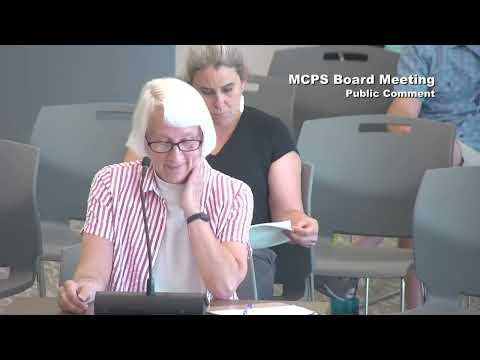
The discussion mattered to parents and teachers who said planned staffing changes would leave some third‑grade classrooms too large. Parent Lisa Mackey told the board she was “concerned with the plan moving forward of having third grades … over the OPI’s maximum recommended for students,” and second‑grade teacher Sue Ray described creating two classes for 59 students and said teachers “laid out about half their cards and looked at each other and said, this is impossible.”
Why it matters: trustees must balance a statewide funding model that ties revenue to enrollment with local class‑size and special‑education needs. McHugh’s projection incorporated the STARS Act revenue and modest increases in employer health contributions; the presentation also included adjustments for retiree savings, salary and benefit estimates, and federal program offsets.
Trustees pressed for more detail on costs and options. One trustee asked whether two part‑time overflow paraeducators could be replaced by a full teacher for one year; McHugh and other staff estimated a full‑time para at about $34,000 and a teacher at roughly $64,000 (estimates discussed during the meeting). Trustee Walsh and others warned that the $63,000 on paper did not mean discretionary money was available and cautioned against using one‑time balances to make ongoing staffing commitments.
Administrators described how the district uses overflow paras and leveling policies to manage counts that exceed state accreditation recommendations. The superintendent and staffing staff told trustees the district generally tries to reserve one or two seats for midyear movers, and the district has allowed classrooms to be up to two students over the state accreditation number before pursuing leveling. The board heard that leveling is used as a last recourse and that transportation cost implications can affect whether a student is moved.
Several trustees asked for a process that is neutral across schools and for more transparency about the district’s decision rules for adding staff, deploying overflow paras, or leveling students to other buildings. McHugh reminded the board that budgets are not adopted until August and that collective bargaining negotiations continued, creating additional uncertainty in final numbers.
Next steps: the projection was presented as information only. Trustees and staff said they would continue to review the projection, finalize staffing and schedule details, and return with any formal budget amendments before adoption in August.