Get Full Government Meeting Transcripts, Videos, & Alerts Forever!
Plan Spokane 2046: Commission reviews three growth alternatives, EIS scoping and SEPA exemption options
Summary
City planners and consultants presented three growth alternatives for Plan Spokane 2046, described scoping for a programmatic environmental impact statement and discussed potential SEPA categorical exemptions and infill incentives as tools to shape where housing and jobs could be added through the periodic update.
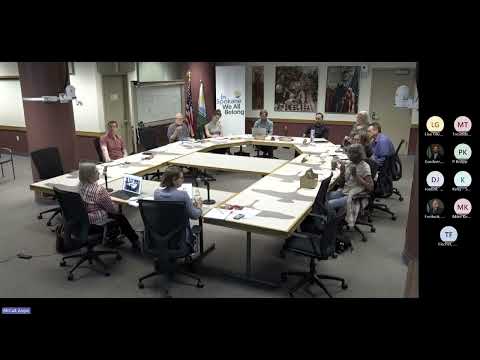
Spokane Plan Commission members on May 28, 2025 heard a detailed briefing on Plan Spokane 2046 growth alternatives, the companion programmatic environmental impact statement (EIS) and potential changes to the city—s SEPA (State Environmental Policy Act) thresholds and infill exemptions.
The briefing was led by Terrell Black, City of Spokane planner, and Lisa Greeter, consultant with Bird Consulting. Greeter said Bird Consulting will lead the non-project EIS, "which just means it's an environmental review of a plan, as opposed to a project," and listed subcontractors the city has engaged for air-quality, greenhouse-gas, tribal engagement and natural-environment analyses.
Why it matters: The periodic update must demonstrate how Spokane will accommodate population, housing and employment growth over the comp-plan horizon and must satisfy state EIS and new housing reporting requirements (housing units by income band). The alternatives the commission reviews now will shape zoning, infrastructure priorities and potential incentives for housing and job growth.
Commissioners were shown three alternatives: a no-action alternative based on the city—s current land-use plan; a corridor- and mixed-use alternative that focuses new housing and commercial uses along frequent-transit corridors; and a centers-focused alternative that concentrates growth in larger urban centers including downtown, the northeast/airport areas and established job centers. Black emphasized the alternatives are distinct analysis tools but the "preferred…
Already have an account? Log in
Subscribe to keep reading
Unlock the rest of this article — and every article on Citizen Portal.
- Unlimited articles
- AI-powered breakdowns of topics, speakers, decisions, and budgets
- Instant alerts when your location has a new meeting
- Follow topics and more locations
- 1,000 AI Insights / month, plus AI Chat