Get Full Government Meeting Transcripts, Videos, & Alerts Forever!
Get email alerts on the Statutes Of Limitations Sexual Assault topic
No spam. Unsubscribe anytime.
Oregon House removes civil time limits for sexual assault and child abuse claims
Summary
The House passed House Bill 35 82 to eliminate civil statutes of limitations for claims of sexual assault and child sexual abuse going forward; sponsors emphasized trauma-informed timelines and supporters said the change centers survivors, while opponents raised concerns about standards of proof and retroactivity.
The Oregon House on June 2 passed House Bill 35 82, removing civil statutes of limitations for claims of sexual assault and child sexual abuse going forward.
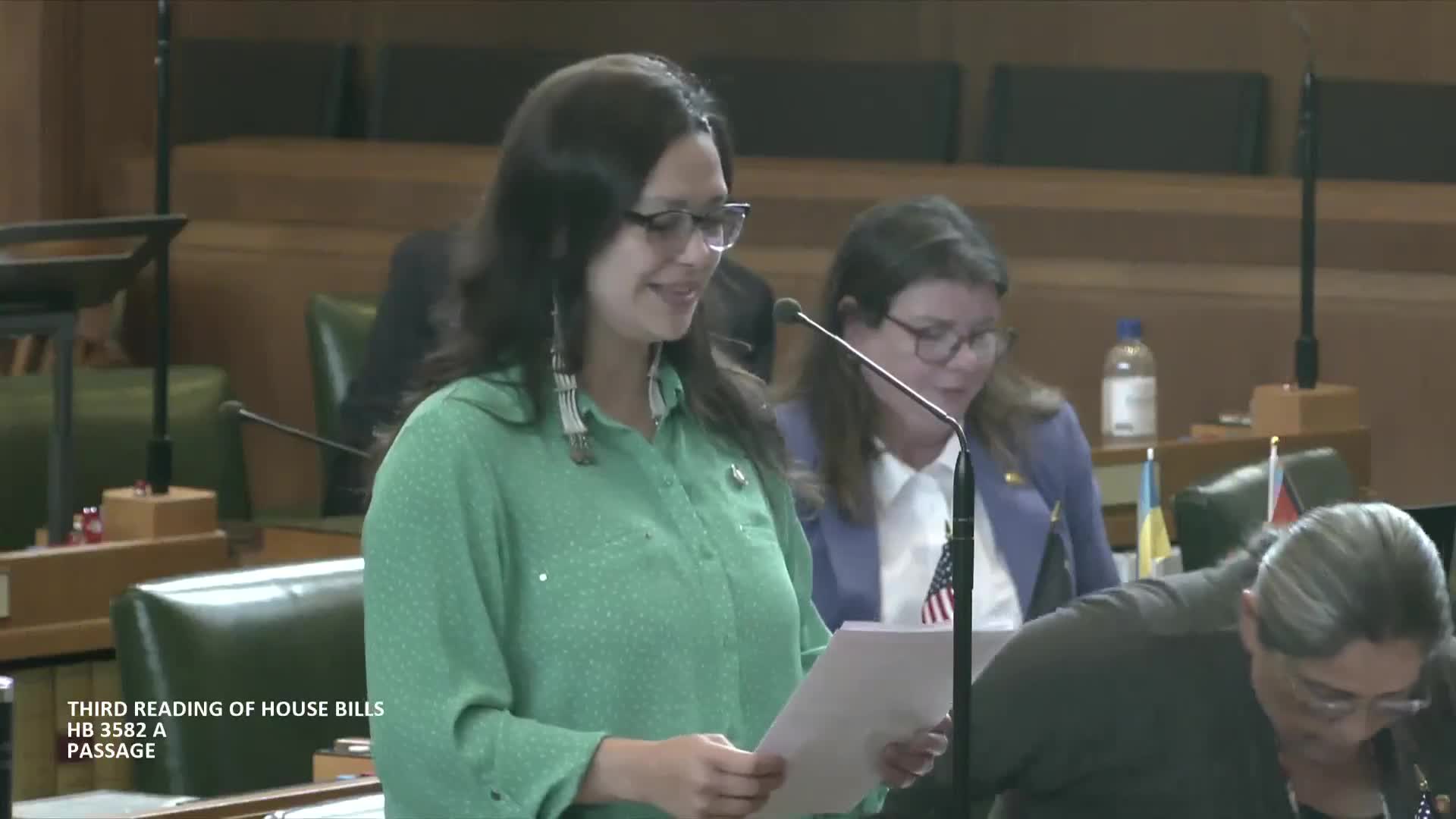
Representative Vanessa Hartman, the bill sponsor, said the change “brings Oregon in line with a growing national consensus” and argued the existing deadlines do not reflect how trauma and healing often unfold. “These deadlines do not reflect how healing works,” Hartman said on the House floor.
The measure drew lengthy floor debate from members who described the bill as an effort to give survivors more time to seek civil redress and to hold institutions accountable. Supporters including Representative Bowman and Representative Chelsea Traisen urged passage, saying the bill aligns the law with modern understanding of trauma and gives survivors time to come forward. Representative Emerson Levy described it as “a bill about hope for the future.”
On the House floor Hartman and other backers also said the bill is not retroactive: it does not revive claims already time‑barred. Hartman explicitly described that as a “painful and deliberate concession,” saying the change applies to claims that arise after the bill’s effective date. She and other supporters also criticized a legal standard that some courts apply — one that can require survivors to show an institution had specific knowledge of abuse directed at a particular person — calling that standard unfair compared with other negligence claims.
Opponents raised procedural and evidentiary concerns during committee and floor debate, but the bill passed in the House. The clerk declared House Bill 35 82 “having received the constitutional majority” and adopted.
Discussion points on the floor included the bill’s nonretroactivity, standards for institutional liability, and the expected practical effects on civil litigation. Members who spoke in favor stressed survivors’ delayed disclosure and urged the legal system to reflect trauma‑informed timelines. Members who expressed hesitation asked about potential evidentiary issues and sought clarity on narrow statutory language.
House Bill 35 82 was adopted on third reading; the clerk reported the required majority and declared the measure passed.
Ending: Sponsors and proponents urged survivors and advocates to view the vote as a step toward accountability and to continue engagement on related implementation details.