Get Full Government Meeting Transcripts, Videos, & Alerts Forever!
Get email alerts on the Labor And Employment topic
No spam. Unsubscribe anytime.
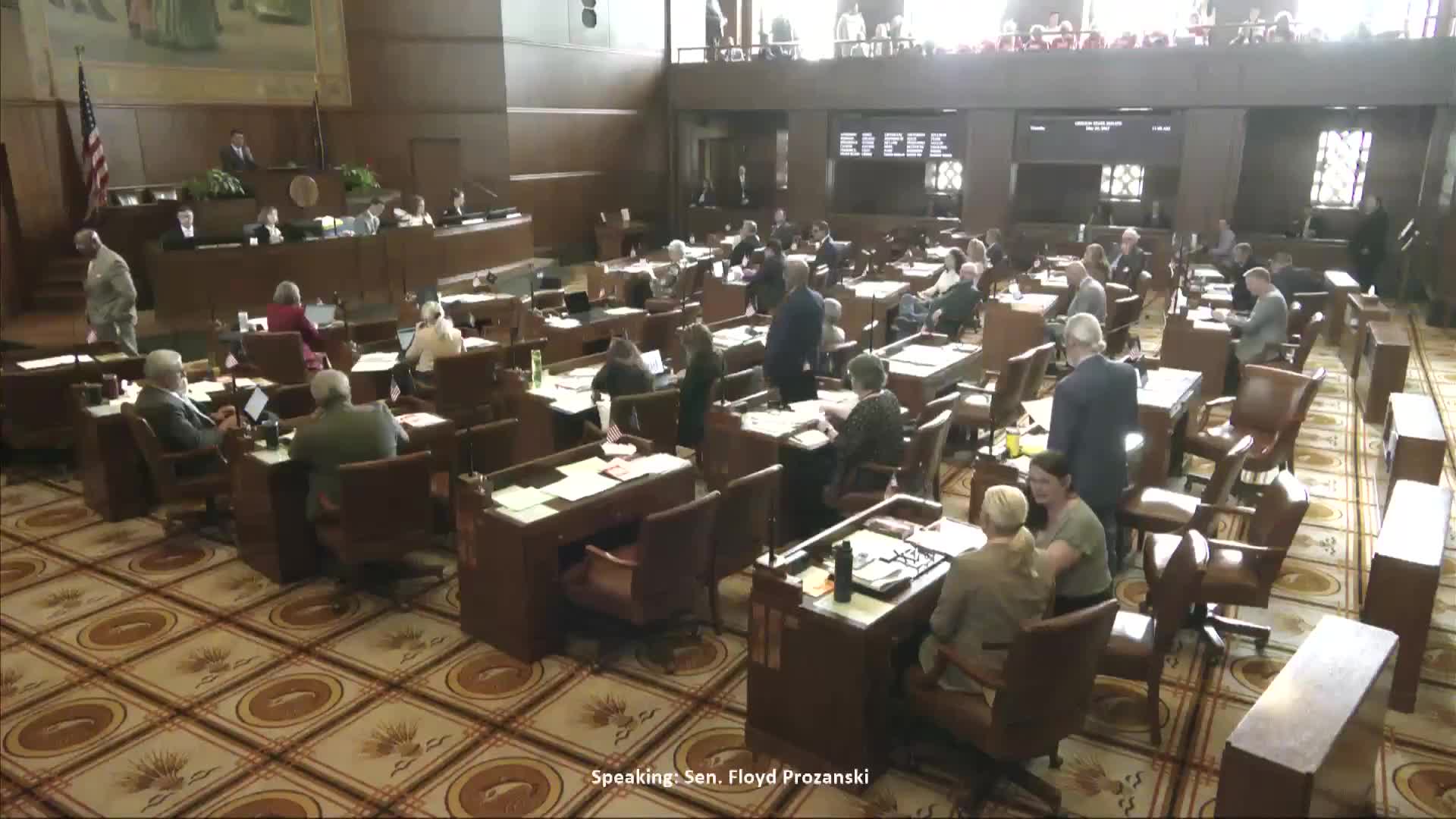
Senate concurs in House amendments to construction wage-liability bill amid opposition from business advocates
Summary
Senate Bill 4 26 B, which would expand liability for wage theft in construction by imposing obligations on higher-tier contractors and property owners, was concurred and repassed by the Senate after heated debate. Opponents said the bill shifts liability to innocent parties and will hurt small and minority-owned contractors.
The Oregon Senate voted to concur in House amendments and repass Senate Bill 4 26 B, a measure aimed at addressing wage theft in the construction industry by expanding the circumstances under which upper-tier contractors and property owners can be held responsible for unpaid wages lower-tier workers are owed.
Supporters argued the bill is the most direct way to get workers paid. “The easiest way and the quickest way to ensure those individuals will be paid is in 4 26 B,” Senator Brzezinski said, describing protections that require owners and general contractors to take responsibility when subcontractors do not pay workers.
Opponents said the statute as amended shifts liability from bad actors to innocent property owners and small contractors who lack the contractual tools to mitigate the risk. “It will hurt small businesses. It will hurt independent contractors,” Senator Bonham said, urging lawmakers to consider alternative approaches such as fully funding wage-claim enforcement and strengthening construction labor-broker regulation instead of broad statutory liability.
Senator Brock Smith and others warned the commercial-unit language in the House amendments is ambiguous and could disproportionately affect minority-owned and small businesses that rely on subcontracting relationships. The opponents said alternatives — including arbitration options to speed payments — were proposed but rejected.
The Senate debate included an extended colloquy over whether the House amendments eliminated small businesses from the bill’s scope and whether the changes represented genuine compromise. Proponents said a multi‑stakeholder work group had negotiated the changes; opponents disputed the level of stakeholder input, especially for minority contractors.
After discussion closed, the clerk called the roll and the Senate concurred in the House amendments and repassed the bill by recorded vote. The presiding officer declared Senate Bill 4 26 B repassed after it “received a constitutional majority.” The motion to refer an earlier bill (SB 539) to Rules and routine suspension of constitutional reading requirements also occurred earlier in the session.
Next steps: The measure will be enrolled and sent to the governor if not already transmitted. Several senators asked for greater clarity or additional legislation to address wage-claim processes, including funding for prompt claims resolution and optional arbitration mechanisms.