Get Full Government Meeting Transcripts, Videos, & Alerts Forever!
Get email alerts on the Housing Court Operations topic
No spam. Unsubscribe anytime.
Massachusetts Housing Court warns new eviction-sealing law and backlog are straining court resources
Summary
Chief Justice Diana Horan told the Joint Committee on Housing that the Housing Court is managing a surge of procedural changes — including a new eviction-sealing law — while operating with statutory judge and staffing limits that slow case resolution and raise operational questions.
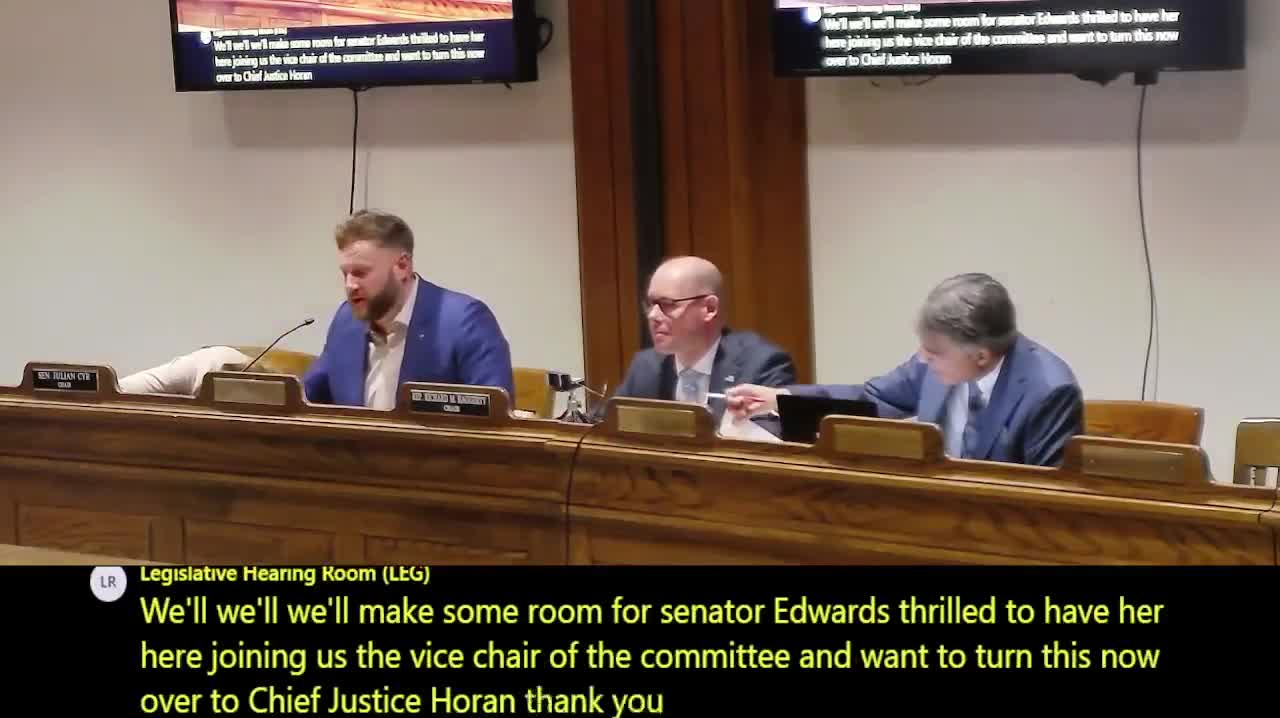
Chief Justice Diana Horan of the Massachusetts Housing Court told the Joint Committee on Housing on the Cape that the court is implementing an eviction‑sealing law while operating with what she described as too few judges and mounting case complexity.
Horan told the committee the Housing Court handles a broad range of housing matters and “travel[s] to 28 locations on a weekly basis,” and that changes enacted in recent years have increased both the time judges must spend on cases and the court’s administrative burden. She said the new sealing statute requires the court to block most case records from public view after petitions are allowed and that court staff and outside partners have helped the rollout run smoothly so far.
The sealing law, Horan said, “provides that upon the allowance of a petition, all records of the case must be sealed, which in essence means blocked from view for anyone who is not a party.” She told the committee that staff created guided forms and online help to assist litigants and that, to date, the court has processed sealing petitions “in the ordinary course of business,” while monitoring whether additional resources will be needed.
Why it matters: The Housing Court plays a central role in landlord‑tenant disputes and code enforcement. Changes to eviction procedure, sealing, remote appearances and pandemic-era rental assistance rules affect whether cases resolve early, whether parties return to court repeatedly and how much judicial time each matter consumes.
Most urgent facts: Horan described three operational pressures: statutory protections and rental‑assistance stays that can cause repeated rescheduling; more frequent guardians ad litem and complex competency questions; and aging housing stock that drives complicated code enforcement and receivership work. She said the court uses “a two‑tier process” adopted in 2020 to screen cases with housing specialists before matters go to a judge and that it is “currently looking at permanently adopting this structure.”
Committee questions checked two supply‑side issues: Representative Patrick Haggerty asked when the Housing Court’s authorized judge count was last adjusted; Horan said the number changed when the court gained statewide jurisdiction in February 2017 and indicated current judgeship levels are inadequate. Senator Julian Cyr asked what the legislature could do “upstream” to reduce eviction filings; Horan responded that funding for rental‑assistance and prevention programs is the primary upstream intervention she could recommend, while noting limits on a sitting judge’s ability to advocate for particular policies.
Supporting details: Horan said judges and staff have been augmented by recall judges and that she herself is hearing cases at least two days per week while pausing some administrative duties. She described digitization steps — public access to case images since April 2024, e‑summons for summary process cases, mandatory e‑delivery for attorneys and text‑reminder services — intended to reduce missed appearances and paperwork burdens.
Remaining questions and outlook: Horan cautioned the committee that while initial implementation of eviction sealing has been “smooth” thanks to staff work and partner guidance, legal questions and resource needs will continue to arise as complex fact patterns present themselves. She said the court will monitor whether additional staff or judges are required to handle the new statutory workload and the ongoing effects of rental assistance processes on case scheduling.
Ending note: The court urged increased investment in rental‑assistance prevention programs and flagged judgeship and staffing levels as a legislative priority if the Commonwealth wants faster disposition and fewer repeat hearings for litigants.