Citizen Portal
Sign In

Senate passes measure aimed at protecting higher-education research from foreign adversaries

3609572 · May 29, 2025

Loading...

AI-Generated Content: All content on this page was generated by AI to highlight key points from the meeting. For complete details and context, we recommend watching the full video. so we can fix them.

Summary

The Senate passed a House committee substitute (HB 127) focusing on protections for public higher‑education institutions from influence by foreign adversaries and clarifying related theft-of-trade-secret provisions.

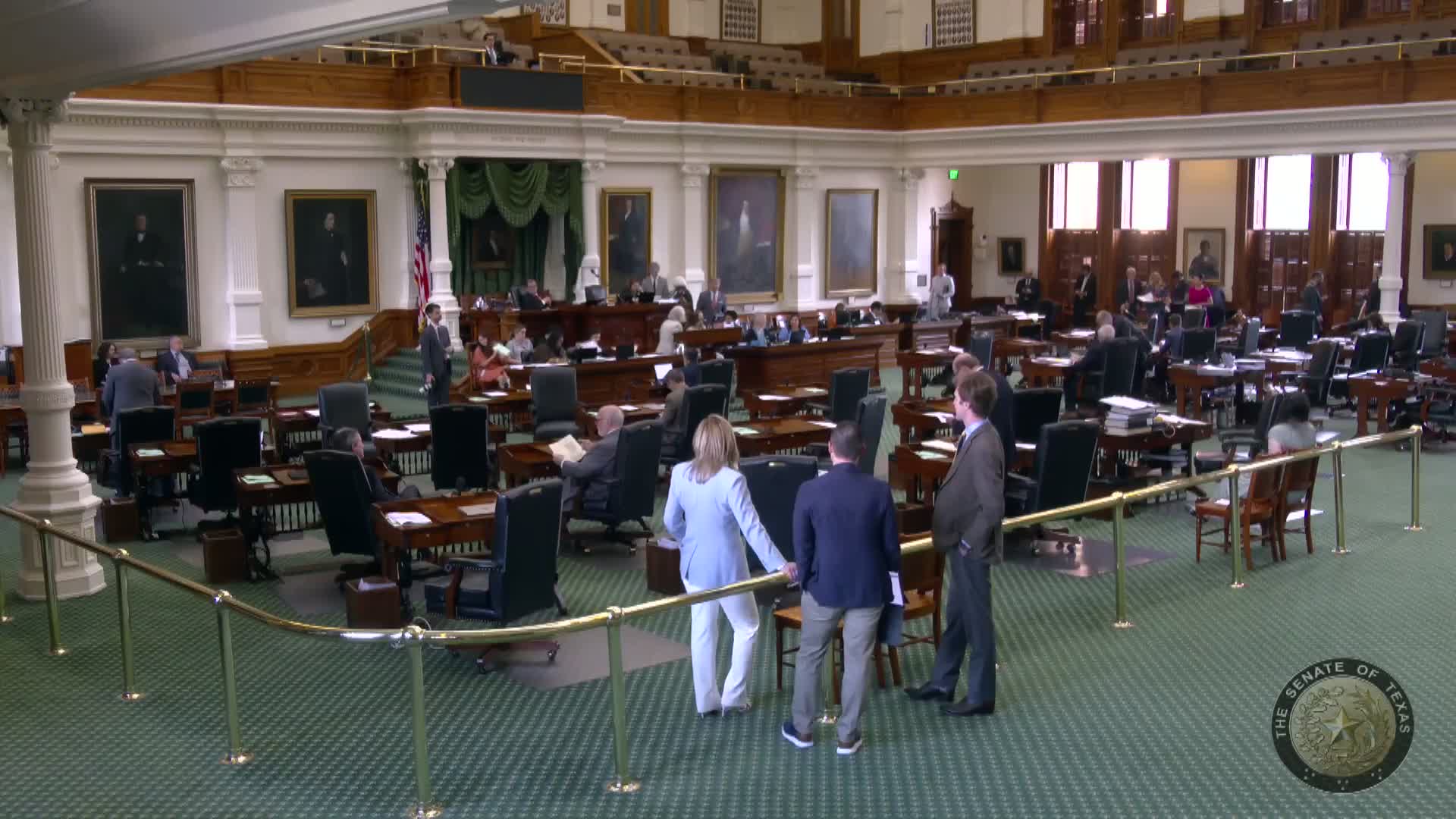
The Senate took up and passed a committee substitute to House Bill 127, a measure described as strengthening protections for public institutions of higher education against influence from hostile foreign adversaries and addressing theft of trade secrets.

Senator Hughes, speaking on the floor, said the bill protects research and reduces vulnerability to foreign adversaries, and that the language had been refined in consultation with university systems. "It protects research and make sure that our higher institutions are not vulnerable to hostile foreign adversaries," Hughes said when moving suspension and the floor amendment.

Key points: The adopted floor amendment (offered by Hughes) directs the Higher Education Coordinating Board (THECB) to assist a research-security council with administrative support if requested, aligns report timing with the two-year legislative cycle, and clarifies certain definitions to sharpen the statute’s purpose. Hughes said the amendment reflected changes requested by university systems and was intended to be conforming.

Action: The Senate adopted the floor amendment and passed the bill on final reading. The secretary recorded a roll call outcome showing the bill was finally passed (final passage recorded in the transcript with 2 nays noted earlier in the roll call count). The motion to adopt the amendment was adopted without recorded objection; final passage recorded the bill as passed.

Why it matters: Sponsors framed HB 127 as strengthening the state’s ability to protect research assets and intellectual property on public campuses from adversarial foreign influence and theft. It also includes provisions related to prosecution of theft of trade secrets.

Limits: The transcript records that the amendment was shaped with university input; the floor discussion did not include detailed implementation steps or enforcement mechanisms beyond administrative support and reporting timing. Agencies and institutions will carry out compliance under the enacted text if signed into law.

Next steps: With Senate passage, HB 127 will continue through final enactment steps; implementing bodies (THECB and institutional research-security offices) will likely coordinate to satisfy reporting and administrative requirements described on the floor.