Get Full Government Meeting Transcripts, Videos, & Alerts Forever!
Get email alerts on the Government Organization topic
No spam. Unsubscribe anytime.
Chillicothe council adopts resolution creating Nonresidential Building Department under Ohio law
Summary
The Chillicothe City Council adopted a resolution formally establishing a Nonresidential Building Department pursuant to a cited section of the Ohio Revised Code and declared an emergency to expedite implementation; the measure was approved after waiving the three-reading rule.
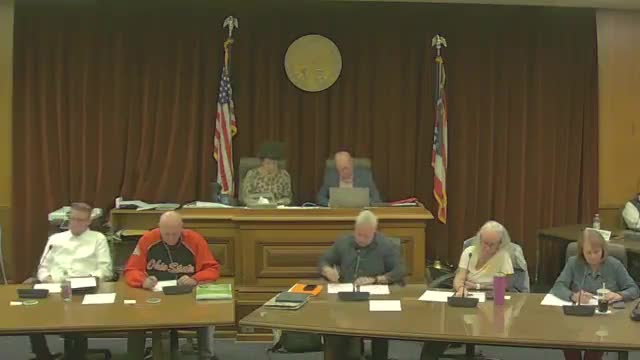
The Chillicothe City Council on May 28 adopted a resolution formally establishing a City Nonresidential Building Department "pursuant to section 3781.1a of the Ohio Revised Code," and declared an emergency to expedite implementation.
Councilman John McKeever moved to waive the three-reading rule for the resolution; Councilwoman Kathy Dunn seconded the motion and the council voted to waive the rule and then adopt the resolution. The transcript records unanimous affirmative votes on both the waiver and the resolution.
Why it matters: The resolution creates a formal nonresidential building department within the city government structure and was advanced under a statutory citation specified in the resolution. The emergency declaration typically allows the department to be established and certain administrative steps to begin before the normal waiting period associated with multiple readings.
What happened next: The council approved the resolution and the waiver of the three-reading rule. The transcript does not include adopted departmental rules, funding allocations, staffing plans, or an implementation timetable; those items would require subsequent council action or administrative steps.
What remains unresolved: The resolution references a section of the Ohio Revised Code but the meeting record does not show accompanying ordinance language for appropriations, staffing, or an operating budget. The law directoror his officewas not recorded presenting specific implementing language at this meeting.