Get Full Government Meeting Transcripts, Videos, & Alerts Forever!
Get email alerts on the Hazing Education topic
No spam. Unsubscribe anytime.
Senators back bill to require hazing education for college organizations after recent deaths and incidents
Summary
The committee approved HB 279, which would require postsecondary institutions to provide anti‑hazing education to students and organizations and to suspend organizations that do not comply. Testimony included a detailed victim statement from an LSU student describing alleged hazing and institutional response.
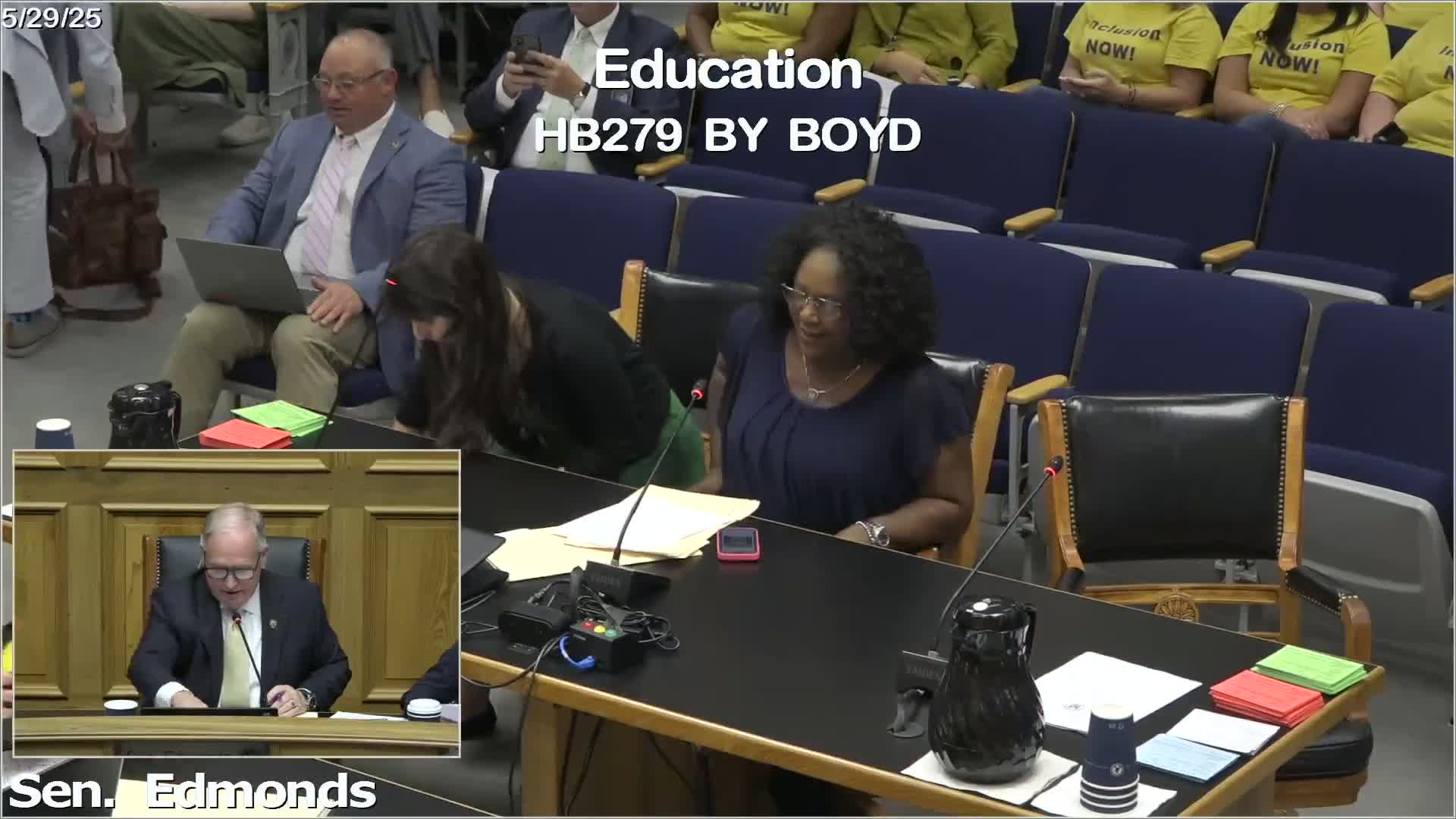
The Senate Education Committee unanimously moved HB 279 forward after testimony describing recent fatal and nonfatal hazing incidents at Louisiana universities.
Representative Boyd, the bill’s sponsor, said the measure would require colleges to provide education to students and student organizations about hazing, with noncompliance by organizations triggering suspension. Boyd cited recent incidents — including the death of a student and discipline at Tulane and Loyola — as drivers for the legislation and said many students and families do not understand what constitutes hazing.
Multiple witnesses described personal experiences. Dakota Espinosa, who identified as a student in LSU’s College of Music and Dramatic Arts, gave a detailed account alleging alcohol and drug coercion, forced performances, exposure to pornography and other abusive practices while a minor and during band activities. Espinosa said LSU staff disclosed his identity to other students after reports and that he suffered trauma that required ongoing daily care he previously did not need.
Committee members and advocates said education can reduce harm and empower students to refuse hazing behaviors. Several senators praised the bill; Sen. Jackson Andrews moved the bill favorable and the committee reported HB 279 favorable.
The bill’s sponsor said institutions would be able to deliver education online or in person, and that noncompliant organizations would face suspension; the committee did not adopt additional funding for enforcement during the hearing.