Get Full Government Meeting Transcripts, Videos, & Alerts Forever!
Get email alerts on the Drug Policy topic
No spam. Unsubscribe anytime.
Lawmakers hear bill to make possession of pill presses a class C felony to curb counterfeit fentanyl pills
Summary
At a May 28 public hearing, lawmakers heard testimony on House Bill 2,175, which would create a class C felony for possessing or trafficking pill presses used to produce counterfeit pills that may contain fentanyl; law enforcement urged the measure, while members asked about legitimate uses and enforcement limits.
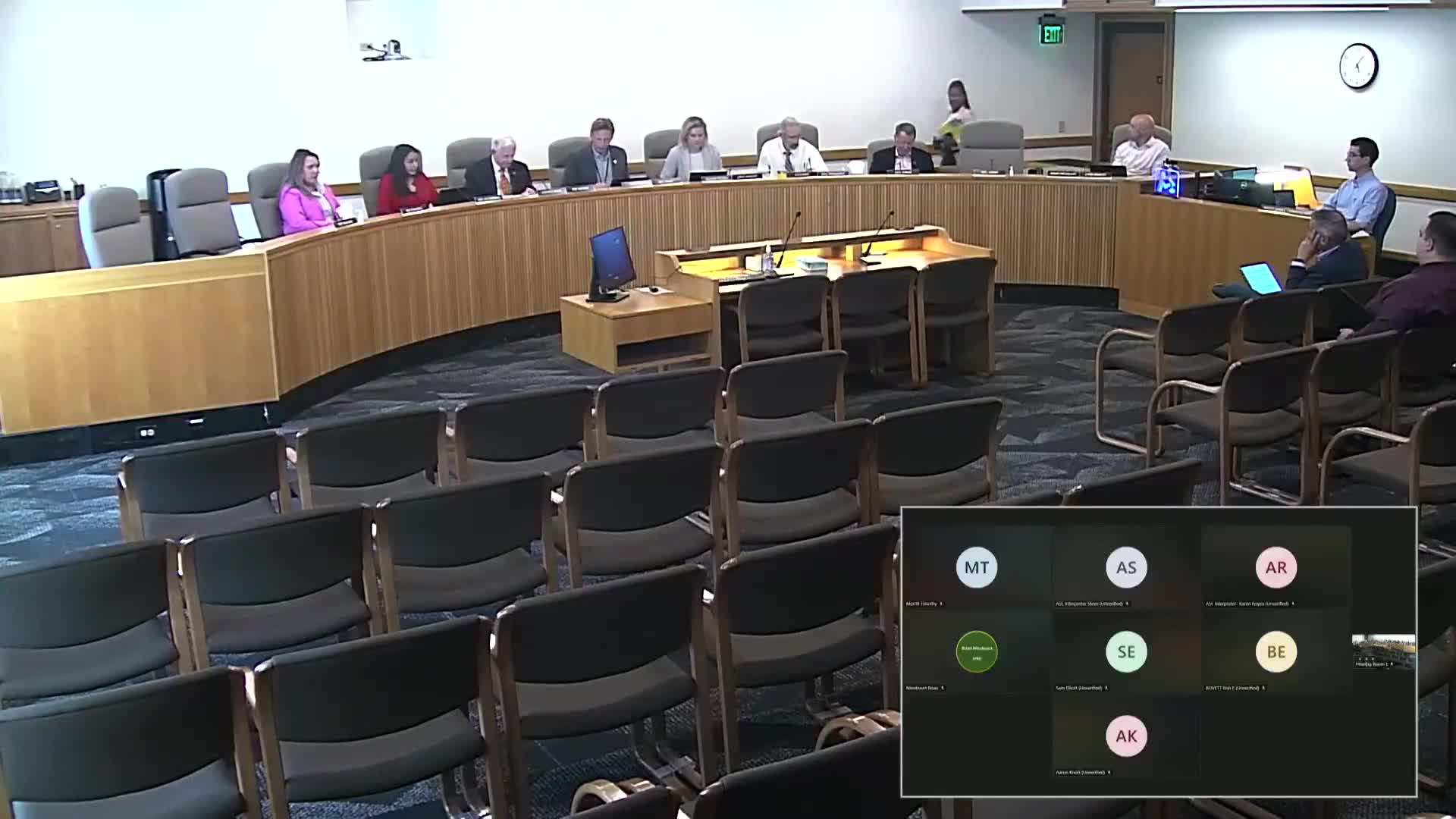
SALEM, Ore. — Lawmakers opened a public hearing May 28 on House Bill 2,175, legislation that would make possessing, purchasing, making, delivering or selling a pill press or similar equipment a class C felony in Oregon.
Supporters told the Joint Committee on Addiction and Community Safety Response the measure is aimed at disrupting production of counterfeit pills often laced with fentanyl and other synthetic opioids that have driven overdose deaths in Oregon.
Representative Jeff Helfrich, the bill sponsor, said the measure targets machines used to manufacture counterfeit pills. “Our aim is to solve the problem of counterfeit pills being created that are claiming lives in our state,” Helfrich said, citing Oregon Health Authority figures that overdose deaths rose from about 280 in 2019 to about 956 in 2022. He described seizures this year, including a 61.4‑pound fentanyl powder seizure by the Oregon State Police.
Yamhill County Sheriff Sam Elliott, testifying on behalf of the Oregon District Attorney’s Association, the Oregon State Sheriffs Association and the Oregon Association of Chiefs of Police, called the bill “a critical tool” to disrupt trafficking. “Pill presses originally designed for legitimate pharmaceutical use have been widely adopted by criminal organizations to mass produce counterfeit medications,” Elliott said, urging lawmakers to “intervene early in the production process before the deadly drugs reach vulnerable individuals.”
Members questioned how the bill would distinguish illegal conduct from legitimate uses of pill presses. Representative Anessa Hartman noted that some people use presses for noncontrolled substances, including for tinctures or other legal products, and asked how investigators would show intent to manufacture controlled or counterfeit controlled substances. Hartman said a related bill is closer to an outright ban; she emphasized the need for clarity to avoid criminalizing lawful uses.
Committee members pressed witnesses on how pill presses are obtained and marketed. Helfrich and others said presses can be bought online, from marketplaces and overseas vendors. Several lawmakers and witnesses said enforcement will depend on proving intent or other factors that link a device to illegal drug manufacture.
The hearing included law‑enforcement testimony that counterfeit pills are often indistinguishable from legitimate pharmaceuticals and that criminal organizations can mass‑produce tablets with pill presses. Portland Police Chief Bob Day’s written testimony said the bill would give law enforcement “additional tools to disrupt drug manufacturing and distribution at its source.”
The committee closed the public hearing on House Bill 2,175 after testimony and questions; no vote on the measure was taken at the May 28 meeting.
The committee’s discussion emphasized two themes: (1) supporters framed the bill as a targeted, enforcement‑oriented step to reduce fentanyl deaths by removing manufacturing tools from illicit markets, and (2) members sought clearer statutory language and protections for legitimate, lawful uses of pill presses and for how intent would be proven in criminal cases.