Get Full Government Meeting Transcripts, Videos, & Alerts Forever!
Get email alerts on the Employment Department Budget topic
No spam. Unsubscribe anytime.
Legislative Fiscal Office backs House Bill 5,007, proposing higher biennial budget and staff shifts for Oregon Employment Department
Summary
The Legislative Fiscal Office recommended passage of House Bill 5,007 with a budget increase for the Employment Department and several position transfers and reductions, including staff tied to a lapsed federal program.
The Legislative Fiscal Office recommended that the Joint Committee on Ways and Means Subcommittee on Transportation and Economic Development move House Bill 5,007 to the full Ways and Means Committee with a due-pass recommendation after laying out a proposed biennial budget and multiple staffing changes for the Employment Department.
The LFO presentation said the office recommends a total-funds budget for the Employment Department and described a mix of recommended investments, transfers and reductions across divisions. The presentation tied part of the recommended revenue increase to passage of Senate Bill 143 (dash-2), which the LFO said would permit an additional diversion of employer taxes to the department’s administrative fund.
“The legislative fiscal office is recommending a $25.27 total funds budget for the Employment Department of 4591125858 dollars and 19 37 positions which is 1,921.37 FTE,” LFO staff member Ms. Dyster said. She also described an expected additional $39,700,000 in revenue associated with the SB 143 dash-2 diversion and said the existing diversion amount is $159,000,000.
Why it matters: the budget and staffing recommendations affect unemployment insurance, paid leave administration, and workforce services statewide; they also include transfers of positions into a centralized shared-services division and the proposed removal of positions tied to a federal program that was not reauthorized.
Key elements presented by the LFO included: centralized budgeting of state government service charges in a shared-services division; a multi-million-dollar budget line for maintenance and subscriptions for the state’s Francis IT system; and a modernization project directed at workforce operations. The LFO also proposed removing expenditure limitation and position authority tied to the Trade Adjustment Act program after the federal program was not reauthorized.
On staff and positions, committee members sought clarity. A committee member asked whether “93 employees” would lose jobs; LFO staff corrected that 90 positions associated with the Trade Adjustment Act shortfall were being removed from the department’s budget. “That is correct. To the extent that they are filled and, the classifications line up and the skill sets line up, there may be opportunities for those employees to to fill existing vacancies elsewhere in the agency,” Ms. Dyster said.
The LFO listed several policy option packages by division, including: funds for Francis system maintenance and vendor costs; workload staffing and temporary positions for seasonal workload; funded positions to address employer-accounting backlogs in the contributions and recovery division; and an initiative to modernize workforce operations that includes procurement, planning and IT updates to labor exchange and case-management systems.
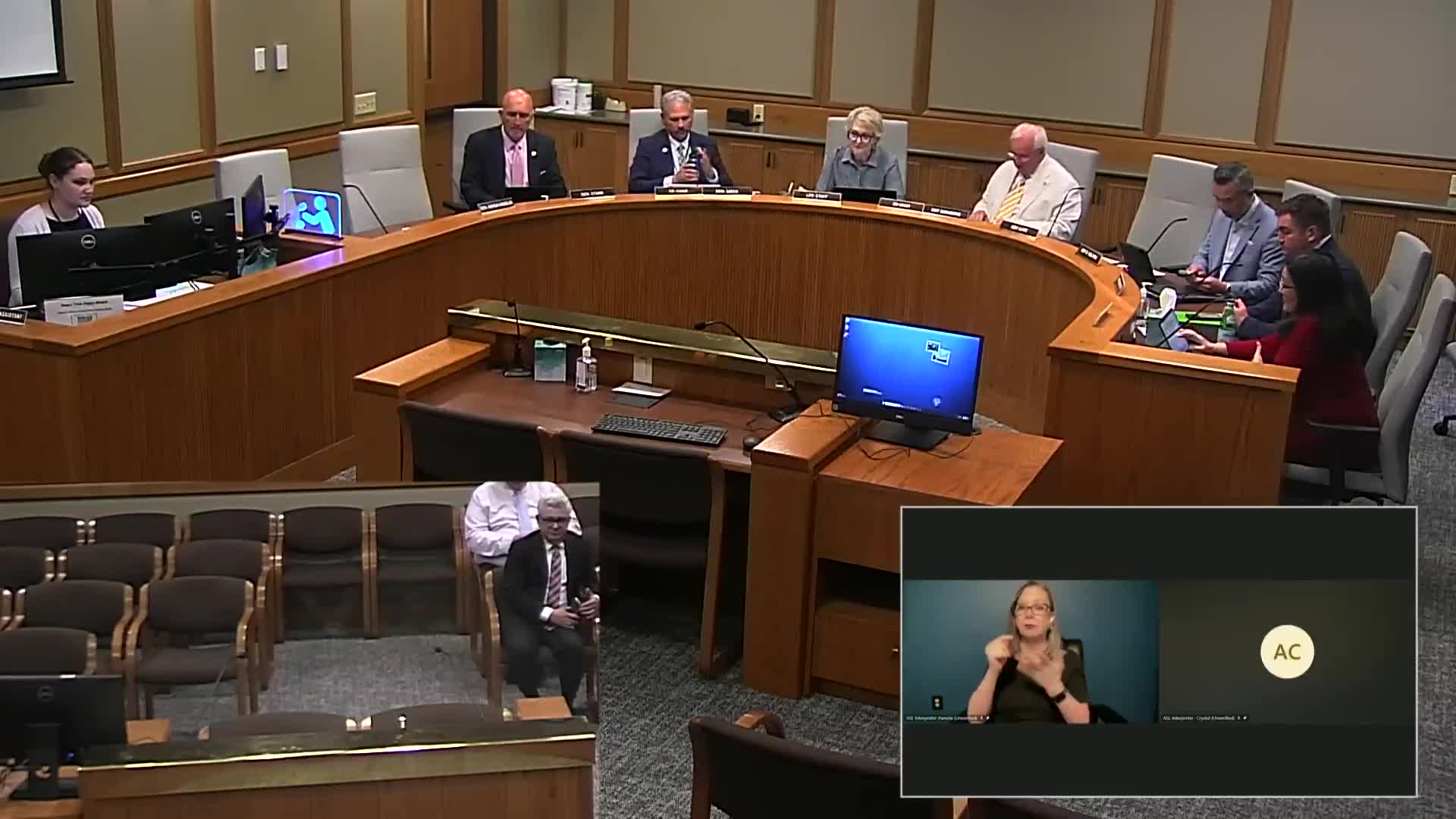
Committee members voted on the LFO recommendation. Co-chair Gomberg moved the motion to move the LFO recommendation on House Bill 5,007 to the full committee; after a roll-call vote—Senator Starr Aye; Senator Neeron Mison Aye; Judge Armick Aye; Representative Kate Excused; Representative Wynne Aye; Representative Scott Waters No; Representative Watanabe Aye; Senator Lambert Aye—the motion carried and the work session on HB 5,007 was closed.
The committee also approved the LFO-recommended key performance measures and a dash-2 amendment to the bill as described by the LFO. Ms. Dyster and committee members noted the department’s recent operational challenges and the need to track results over time as the investments and reorganizations proceed.
Committee action tapered with a motion to carry the bill to the Senate and House floors; members identified carriers for each chamber before adjourning the work session.