Get Full Government Meeting Transcripts, Videos, & Alerts Forever!
Get email alerts on the Criminal Justice Reform topic
No spam. Unsubscribe anytime.
Committee hears bill to repeal Michigan’s one‑person grand jury
Summary
Representative Meerman presented House Bill 4434 to eliminate Michigan’s one‑person grand jury; proponents told the Judiciary Committee the procedure undermines due process and the Michigan Supreme Court has limited its use; supporters including the Christian Coalition and criminal defense groups voiced support; no vote taken.
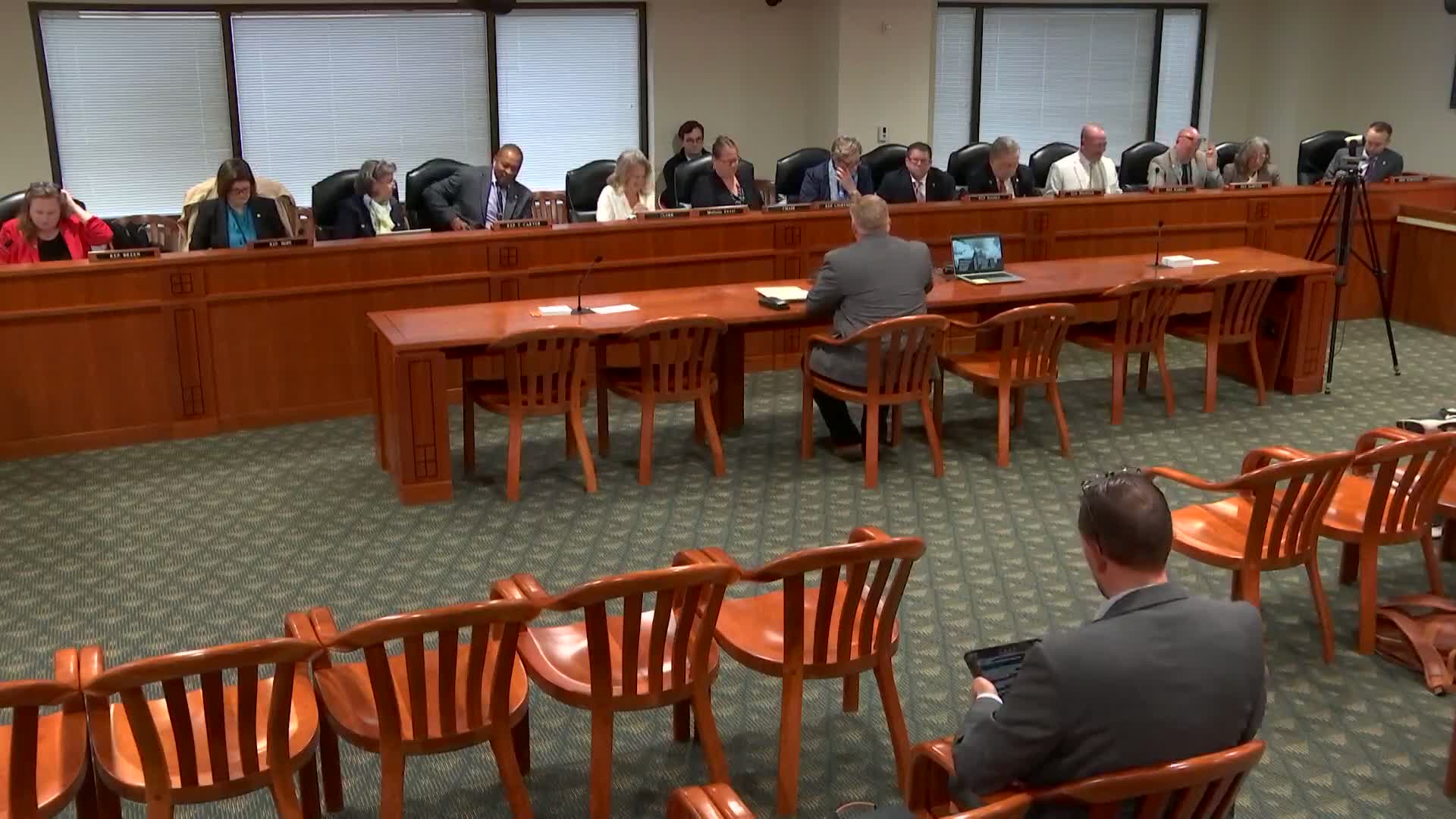
Representative Meerman presented House Bill 4434 to the House Judiciary Committee, seeking repeal of Michigan’s one‑person grand jury procedure and arguing the mechanism concentrates investigative and charging power in a single judge and undermines due process.
"It is the purpose of a grand jury to determine whether there exists sufficient evidence to charge someone with a crime plain and simple," Representative Meerman told the committee. He said a one‑person grand jury "places the responsibility of establishing probable cause in one man's hands," and argued that proceeding violates principles of fairness and impartiality central to the justice system.
Meerman referred to the Michigan Supreme Court’s 2022 review of the attorney general’s use of a one‑person grand jury in the Flint water crisis prosecutions and said the court found that a judge cannot both investigate and sign an indictment authorizing charges. "A judge cannot in both investigate and charge an individual," Meerman said, summarizing the court’s holding as evidence that the statutory tool conflicts with due process.
Keith Denhollander, national field director for the Christian Coalition and a Michigan resident, spoke in support and told the committee that eliminating the practice would increase transparency and public confidence. Denhollander said, "Bringing compiled law in line with Supreme Court precedent will help inspire confidence in the system."
Members asked about frequency and types of cases in which the tool had been used. Meerman said the procedure has been used infrequently and was typically described to him as a prosecutorial tool for cases involving sensitive information. Representative Breen asked whether prosecutors had raised formal objections; Meerman said prosecutors had at times described the instrument as a useful tool when secrecy was needed, but the Michigan Supreme Court ruling constrained its future use.
No committee vote was taken during the hearing. Several written or carded supporters were read into the record, including Noah Smith of the Criminal Defense Attorneys of Michigan, who registered support and did not wish to speak.