Get Full Government Meeting Transcripts, Videos, & Alerts Forever!
Get email alerts on the Workforce Development topic
No spam. Unsubscribe anytime.
Trade schools report rapid enrollment growth; SEMCA buying 100,000 sq. ft. Sterling Heights campus
Summary
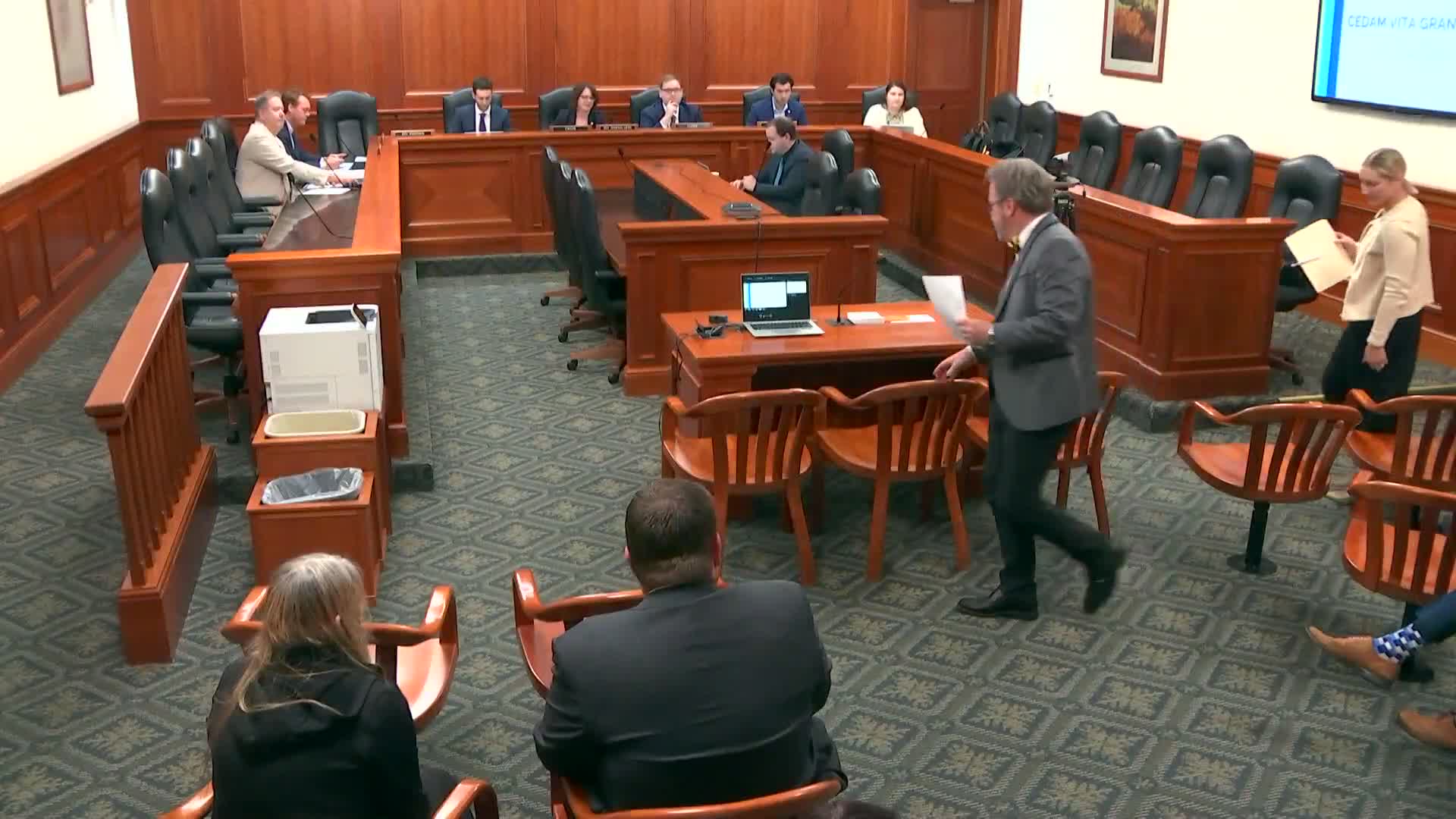
Chair Jenkins Arnold called the House Appropriations Subcommittee on Labor and Economic Opportunity to order and heard presentations from industry-built trade schools about rapid enrollment growth and new training facilities intended to meet Michigan’s skilled-trades workforce needs.
Chair Jenkins Arnold called the House Appropriations Subcommittee on Labor and Economic Opportunity to order and heard presentations from industry-built trade schools about rapid enrollment growth and new training facilities intended to meet Michigan’s skilled-trades workforce needs.
The most immediate development came from the Southeast Michigan Construction Academy (SEMCA), which said its board is purchasing a 100,000-square-foot former call center in Sterling Heights and plans a roughly $10,000,000 investment to convert it into classrooms and more than 12,000 square feet of shop space. Keith Ledbetter, president and CEO of SEMCA, said the facility will provide space for more than 400 parking spaces and more than a dozen classrooms, and that the new campus is expected to serve over 400 students by early September.
“Construction company owners in Southeast Michigan decided nearly 40 years ago that there weren't enough young adults coming out of high school who were prepared for jobs in construction,” Ledbetter said, summarizing SEMCA’s origins and growth. He told the committee SEMCA grew from 186 students at a single Madison Heights location to approximately 750 students across five campuses in Madison Heights, Westland, Monroe, Holly and Lapeer.
Deanna Morley, vice president of SEMCA, described the school’s “earn-while-you-learn” model and said most students work full time while attending classes two nights per week. “Most of our students graduate without student debt and our employment rate hovers around 90 percent,” Morley said. She told members SEMCA removes common barriers to enrollment — “no wait lists, application fees, no entrance exams, and no minimum GPA requirements” — and that the academy partners with community organizations to broaden access for students historically underrepresented in the trades.
Morley told the subcommittee that employer support and scholarships reduce student costs. She said SEMCA’s tuition is comparable to community college — “on average, it costs $4,000 per year” — and that employers frequently cover tuition and wages when students are employed through apprenticeship-like arrangements. Morley also described entry-level wages “well into the $20 to $30 an hour” for short programs and said electrical apprentices completing a four-year program and state licensing can reach substantially higher pay.
The West Michigan Construction Institute (WMCI), a three-year-old nonprofit licensed proprietary school based in Grand Rapids, described a complementary expansion. WMCI President Jen Schottke said the institute serves high school students through the Kent Intermediate School District, adult learners and industry professionals. She described a model that places paid industry internships for seniors who spend four days a week working for contractors and one day a week in advanced instruction at WMCI.
“We serve 150 adult learners across craft programs and next year will launch an electrical program,” Schottke said. She told the committee WMCI’s high school program allows students to earn industry credentials — National Center for Construction Education and Research (NCCER) credentials, OSHA 10, and first-aid/CPR — and that some students can waive a semester of community college or apprenticeship training because of credits earned in high school.
Both schools said their curricula align with Department of Labor registered apprenticeship classroom requirements and industry-recognized standards such as NCCER. Schottke said employer partnerships often pay wages and tuition for day students and that about 85% of WMCI adult students are employed in the industry while enrolled. She described partnerships with more than 120 construction companies, donors and foundations that supported WMCI’s capital launch.
Committee members asked about outreach, program length, affordability and integration with high schools. Representative Cabot asked how SEMCA reaches students beyond school district partnerships; Morley said SEMCA attends career fairs, visits high schools, educates counselors through a fall “Constructing Careers” event, and uses social media platforms including TikTok and Instagram to recruit students.
Representative Van Werkom asked whether SEMCA works with intermediate school districts to qualify high school students for credit; Jen Schottke and Morley explained that WMCI is a partner of the Kent ISD and that SEMCA works with ISDs to operate as state-approved career and technical education programs. Morley said high school students at SEMCA can earn fourth-year math credit, visual and performing arts credit, a world language waiver, and a science waiver by attending the program and that NCCER curricula are one approved pathway for construction CTE programs.
Representative Martis and others asked about why students would pay modest tuition when free programs exist. Morley said fully free options are uncommon, scholarships and employer support reduce student out-of-pocket costs, and that some students who invest modestly in tuition demonstrate greater persistence in multi-year programs. She said SEMCA raises private scholarship funds and leverages state enhancement grants to expand campuses.
No formal committee action was taken on the presentations. The subcommittee had approved minutes from its May 14 meeting at the start of the session, a motion moved by Representative Martis and approved “with no objections.”
The schools asked the subcommittee to continue supporting workforce training priorities that can scale with demand. Both presenters invited members to visit campuses and meet instructors and students to see training and industry partnerships firsthand.