Get Full Government Meeting Transcripts, Videos, & Alerts Forever!
Get email alerts on the Consumer Protection topic
No spam. Unsubscribe anytime.
House Judiciary Committee hears testimony on bills to curb ticket‑buying bots
Summary
The House Judiciary Committee heard testimony on proposed legislation to limit automated “bot” purchases of entertainment tickets and to give Michigan’s attorney general new civil tools to pursue offenders.
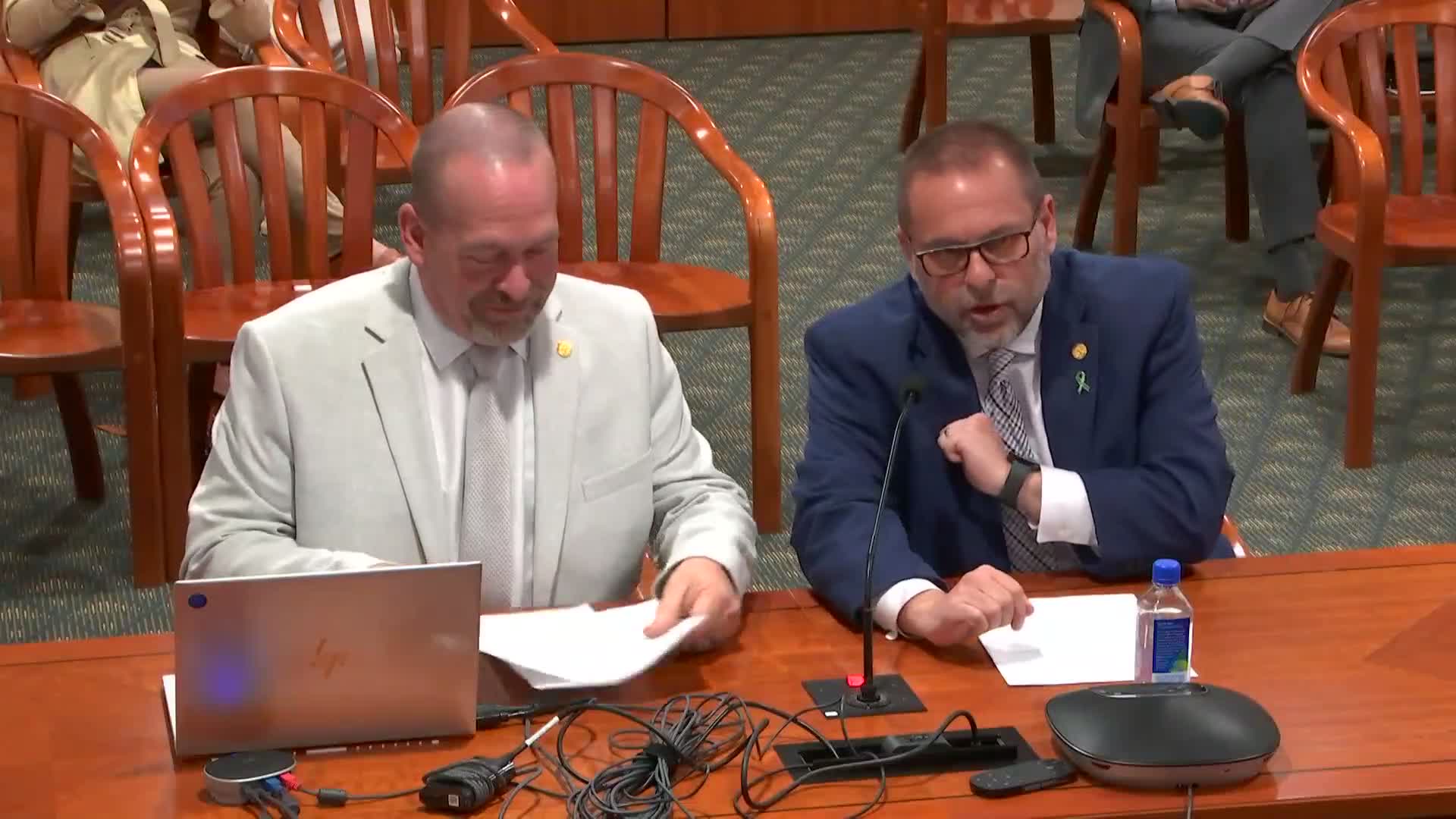
The House Judiciary Committee heard testimony on proposed legislation to limit automated “bot” purchases of entertainment tickets and to give Michigan’s attorney general new civil tools to pursue offenders. Representatives Harris and McFall presented House Bill 4262 and House Bill 4263, which they described as the Event Online Ticket Sales Act.
The bills would prohibit using or creating automated bots to buy tickets in excess of a platform’s limits, to use multiple accounts to purchase tickets, or to circumvent security features that control sales volume. "HB 4263 creates the Event Online Ticket Sales Act, which prohibits a person from using or creating a bot to conduct certain online activities related to ticket sales at entertainment venues," Representative Harris said. Harris added there would be "a civil fine of up to $5,000 for each violation. That's one ticket equals one violation."
Why it matters: committee members said they hear constituent complaints about rapid sellouts and inflated resale prices. Representatives pressed presenters on how investigations would start, what data the attorney general’s office can access, and whether restitution would reach consumers.
Committee discussion and questions focused on enforcement and scope. Chair Leitner asked how an investigation would begin; presenters said a consumer would file a complaint with the attorney general and that platforms can supply technical records showing whether purchases were automated. Representative Wasnant asked how purchase limits are set; presenters answered the limits are set by each platform or event and that bots evade those platform limits. Representative Breen asked whether restitution or fines would go to consumers; presenters said they believed civil fines would go to the attorney general’s office but said they would verify that detail.
Representatives discussed whether the bills would cover events located in Michigan, actions by residents in Michigan, or both. Presenters stated the bills are aimed at actors or actions within Michigan and that state enforcement would keep civil fines in the state rather than relying solely on federal court actions. Representatives also raised the possibility of later examining secondary‑market resellers and giving platforms clearer statutory discretion to block suspected bot transactions without exposure to liability.
Stakeholder positions read into the record showed StubHub registered neutral and did not wish to speak; Live Nation registered support and did not wish to speak. Representative Harris said he and Representative McFall had coordinated with the attorney general’s office while drafting the bills.
There was no committee vote on either bill during the hearing. The presentation and testimony were recorded for the committee record and may be followed by further committee work or referral consistent with the House rules.