Get Full Government Meeting Transcripts, Videos, & Alerts Forever!
Get email alerts on the Budget Amendment topic
No spam. Unsubscribe anytime.
Finance director outlines amended budget; transportation expenses drove largest midyear increases
Summary
Ball Chatham CUSD 5's finance director presented an amended budget that moves bond referendum proceeds between funds and reflects higher-than-expected transportation expenses driven by bus driver health insurance, 19 new buses and increased special-education busing costs.
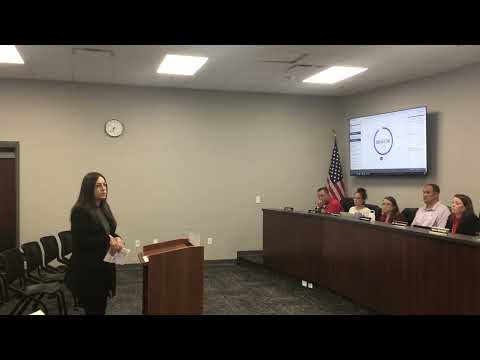
Wendy Malakis, the district's finance director, presented the proposed amended budget at the Ball Chatham CUSD 5 board meeting on May 28 and described changes across multiple funds.
Malakis said the district will amend five funds overall, though only two increases were driven by rising expenses. The others reflect movement of bond referendum proceeds into working cash, operations and maintenance and then capital projects — a bookkeeping flow the administration said is required before funds can be spent on capital projects.
Transportation was the primary driver of expense growth in the amended budget. Malakis told the board that the district decided midyear to offer health insurance to all bus drivers, which produced an approximately 91% increase in health insurance costs for that fund. The district also bought 19 new buses during the year, incurred about $22,000 in unexpected repairs, spent roughly $23,000 on new bus camera systems, and recorded about $45,000 in clerical overtime related to driver shortages. A third‑party provider for special-education transportation increased costs from about $13,000 to roughly $75,000, Malakis said. The administration said it expects to be reimbursed for most transportation-related expenses in the next fiscal cycle and that depreciation on the new buses will affect future reports.
Malakis also said the district received roughly $670,000 in revenue tied to a donor flow-through and an additional approximately $170,000 in grant funding; those sums required amendments so the district could record and audit the funds. She emphasized that local levy revenue remains the district's largest funding source (about 77% local funding in the presentation), state evidence-based funding accounts for about 19%, and federal funding is grant-based.
Board members asked for clarifications about the changes in the top-line surplus/deficit figures and about the drivers of the revenue/expense differences; Malakis walked the board through the working-cash-to-capital-projects flow and showed how the bond movement appears as expense in one year but is an accounting transfer. The presentation referenced a facilities priority list assembled during the bond planning process; the administration said the bond referendum produced available cash within levy authority and did not raise property taxes.
There was no board action on the budget presentation at this meeting; it was provided for information and clarification.
The district's finance staff also presented routine annual items elsewhere on the agenda, including engagement letters for the annual audit and the treasurer's bond, which the board later approved.