Get Full Government Meeting Transcripts, Videos, & Alerts Forever!
Get email alerts on the Building Codes And Safety topic
No spam. Unsubscribe anytime.
Council adopts 2024 code changes to allow A2L refrigerants; inspectors add new pressure‑test requirement
Summary
City code amendments to adopt 2024 International Code Council changes for low‑global‑warming‑potential A2L refrigerants passed unanimously. Building Services created an A2L pressure‑test inspection and plans outreach with contractors to smooth implementation.
The Tyler City Council voted May 28 to amend municipal code chapters adopting the 2024 editions of the International Building Code, International Mechanical Code and related model codes to permit lower global warming potential A2L refrigerants and add safety and storage provisions.
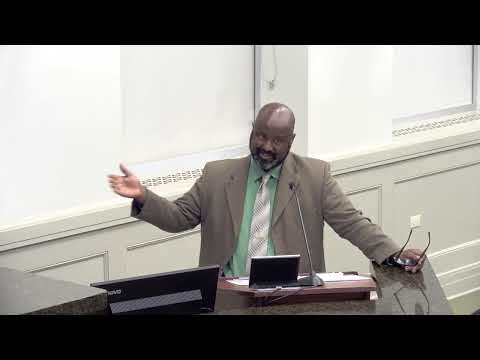
Chief Building Official Gibson (presenting for Building Services) said the federal transition to lower‑GWP refrigerants has driven manufacturers to produce equipment using A2L refrigerants and that the 2024 I‑Codes include changes to support those technologies. “A2L refrigerants are being used in residential and commercial air conditioning and refrigeration systems,” Gibson said. The council approved the ordinance adopting the code updates with no changes.
Building Services staff described a new inspection type—the A2L pressure test—required under the 2024 International Mechanical Code: line sets must be pressure‑tested (typically with nitrogen or helium) to manufacturer‑specified pressure for at least 10 minutes to verify no leaks before final connection and occupancy. Staff said inspectors have completed 38 pressure tests since April while working with contractors to consolidate inspections to avoid repeated site visits.
Officials said residential impacts should be minimal because smaller residential line sets store relatively small refrigerant quantities; larger commercial systems may require dedicated equipment rooms, ventilation, or gas detection depending on stored quantities. The fire department participated in the review because some A2L refrigerants are classified as mildly flammable (the “L” designation indicates low flammability). Staff plans educational outreach for general contractors and HVAC contractors within weeks to explain the new testing and documentation requirements.
The ordinance amending Tyler City Code chapter 6 to adopt the 2024 I‑Codes passed unanimously; staff said they will continue contractor outreach and work to streamline the pressure‑test inspection to reduce scheduling impacts.