Get Full Government Meeting Transcripts, Videos, & Alerts Forever!
Get email alerts on the Public Engagement Referendum topic
No spam. Unsubscribe anytime.
Council approves public engagement work after failed sales tax referendum; SCDOT puts Mark Clark Extension on indefinite hold
Summary
Charleston County Council on May 20 approved a consultant-led public engagement and education effort 6–3 to study the public’s concerns after a sales-tax referendum failed; at the same meeting SCDOT placed the Mark Clark Extension on indefinite hold, the county said.
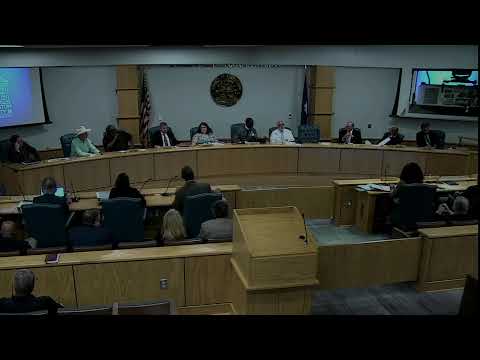
CHARLESTON, S.C. — Charleston County Council voted 6–3 on May 20 to move forward with an education and engagement effort following a recent sales-tax referendum that county members said failed in many precincts.
The vote authorizes county staff to engage consultants to gather public input and test messaging about future proposals. Vice Chair Kobrovsky and Councilmen Darby and Moody opposed the motion, saying the county should not spend taxpayer money to reframe the failed referendum or that it was too soon to return to voters.
Councilman Kubrowski argued against hiring outside consultants, saying many precincts in his district voted as high as 70–80% against the referendum and that outsourcing would send the wrong message. Supporters including Councilmen Boykin and Morgan said polling and outreach were prudent: "It would be a fool's errand for us to vote for a 2026 referendum without sticking our toe in the swimming pool to see how cold the water is," one supporter said.
During the discussion Councilman Grabrowski (chair) entered a letter from Justin Powell, secretary of the South Carolina Department of Transportation (SCDOT), into the record. The letter said SCDOT, the South Carolina Transportation Infrastructure Bank and Charleston County ended their three-party agreement on the Mark Clark Extension and that SCDOT had placed activities for the project on indefinite hold due to lack of funds. The letter made clear that if Charleston County seeks to resume the project it would have to initiate a new agreement with SCDOT.
Council members split over timing and process. Those in favor said targeted public engagement can identify specific public concerns and conditions that might make future action viable; opponents said the county should respect the referendum result and not reengage the issue quickly. The motion to proceed with education and engagement passed on a roll call: Boykin, Honeycutt, Pryor, Sass, Wurman and Middleton voted aye; Darby, Kubrowski and Moody voted nay.
County staff and the chair said next steps include preparing scopes of work and returning to the council with cost estimates and proposed timelines before any contract is executed.