Get Full Government Meeting Transcripts, Videos, & Alerts Forever!
Get email alerts on the Transportation Snow Removal topic
No spam. Unsubscribe anytime.
UDOT describes how it opens seasonal mountain roads, clears drifts up to 35 feet
Summary
A Utah Department of Transportation representative outlined the agency’s process for opening seasonal roads, including depth measurements, coordinated use of snow blowers, snowcats and dozers, and post‑snow repairs such as pothole fixes and re‑striping.
A Utah Department of Transportation representative described the agency’s process for opening seasonal mountain roads and clearing deep snow, using Karsman's Pass as an example.
The explanation matters because those operations affect public safety and recreational access: the representative said the goal is to restore the roadway safely and as quickly as possible so people can “enjoy the road, as much as possible and as fast as possible.”
The representative said UDOT crews begin by surveying snow depth and conditions to determine whether the available equipment can handle the snow. “One of the big things that we do here at UDOT is we open open seasonal roads,” the representative said, describing initial depth measurements taken at sites such as Karsman's Pass.
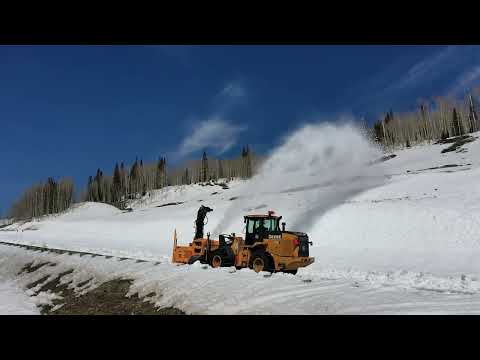
When conditions allow crews start clearing lower elevations first, “slushing off the road,” and then bring in larger machinery. The representative listed snow blowers, snowcats and dozers as the primary heavy equipment used in a coordinated effort to move packed and drifted snow and to expose the roadway. The presentation noted that many of these roads are used by snowmobiles and off‑road recreational users during winter and that the snow on those corridors is often highly packed.
The representative said teams sometimes encounter drifts as deep as 35 feet, which require substantial time and equipment to remove. After removing the snow, crews inspect and repair the pavement, addressing soft spots and potholes. If needed, they allow the surface to dry before re‑striping or repainting lane markings and fixing drainage issues.
No formal policy changes or votes were described in the remarks; the presentation focused on operational procedures, equipment needs and post‑clearance roadway repairs.