Get Full Government Meeting Transcripts, Videos, & Alerts Forever!
Get email alerts on the Foster Youth Bill Of Rights topic
No spam. Unsubscribe anytime.
Experts and Former Foster Youth Call for Better Outreach on Foster Youth Bill of Rights
Summary
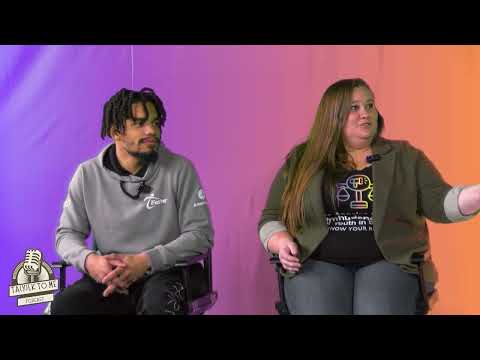
Los Angeles County ombudsperson Michelle Lucarelli Beltran and several former foster youth said on the Talk to Me podcast that many young people in care still do not learn about the Foster Youth Bill of Rights and urged stronger education and enforcement.
Los Angeles County ombudsperson Michelle Lucarelli Beltran and several former foster youth said on the Talk to Me podcast that many young people in care still do not learn about the Foster Youth Bill of Rights and urged stronger education and enforcement.
The Foster Youth Bill of Rights, first enacted in 2001 and currently codified in California law, lists 41 rights across 14 categories intended to protect young people in foster care. "The Foster Youth Bill of Rights is in the Welfare and Institutions Code," Lucarelli Beltran said, adding that social workers and probation officers are required by law to provide and discuss the rights at placement, replacement and at least every six months.
Why it matters: Guests described recurring, concrete gaps between the law and practice. Former foster youth recounted being routinely moved between schools, not learning they could remain at a school of origin, being searched without explanation and being medicated without clear information. Those gaps, the participants said, reduce young people's ability to advocate for themselves and increase risk of harm.
Podcast participants described several patterns they said are common in settings such as short-term residential therapeutic programs (STRTPs) and other congregate care. Michelle Lucarelli Beltran, Los Angeles County Ombudsperson for youth in STRTPs, said staff and caregivers sometimes implement blanket search practices rather than using the "reasonable suspicion" standard required by the rights. "There has to be a reason for safety ... they have to be told why they're being searched," she said.
Former foster youth on the program said not knowing the rights had long-term consequences. "I wish I would have this information when I was younger," one guest said, recounting repeated school transfers that undercut relationships with teachers and peers. Another described starting psychotropic medications as a young child and said more information about medical choices would have helped.
Panelists also highlighted additional, specific gaps reported in visits and surveys: allowances that caregivers do not spend on the child, limited knowledge that at certain ages young people can take on aspects of their medical or dental care, inconsistent staff training (often a one-time, one- to two-hour session), and fear of retaliation if youth complain. "This is your life. This is your home where you live," Lucarelli Beltran said. "Under no circumstance would it be okay for a staff person to yell 'shut up' at you or cuss at you or call you a name."
Recommendations offered on the podcast included more frequent, developmentally appropriate outreach to young people (not only at placement or court milestones), ongoing refresher training for staff and caregivers, creative accessible materials (podcasts, videos, art) to promote the rights, and use of existing reporting routes such as Community Care Licensing. Lucarelli Beltran pointed listeners to LAYouthRights.com and to monthly trainings offered by the state office of the ombudsperson, including recordings on YouTube.
No formal policy changes were announced on the program; the discussion was advisory and educational. Speakers encouraged youth, caregivers and professionals to report violations to the county ombudsperson or to licensing and to use online resources to learn the specifics of the 41 rights.
Resources and next steps noted on the episode: the California Office of the Foster Care Ombudsperson offers trainings on the Foster Youth Bill of Rights and the reasonable prudent parent standard, LAYouthRights.com hosts the rights and materials, and Community Care Licensing enforces licensing standards that require compliance with the rights. Podcasters said they would link those resources alongside the episode.