
TCAT officials outline fleet, ridership and funding challenges in council presentation
Get AI-powered insights, summaries, and transcripts
Sign Up Free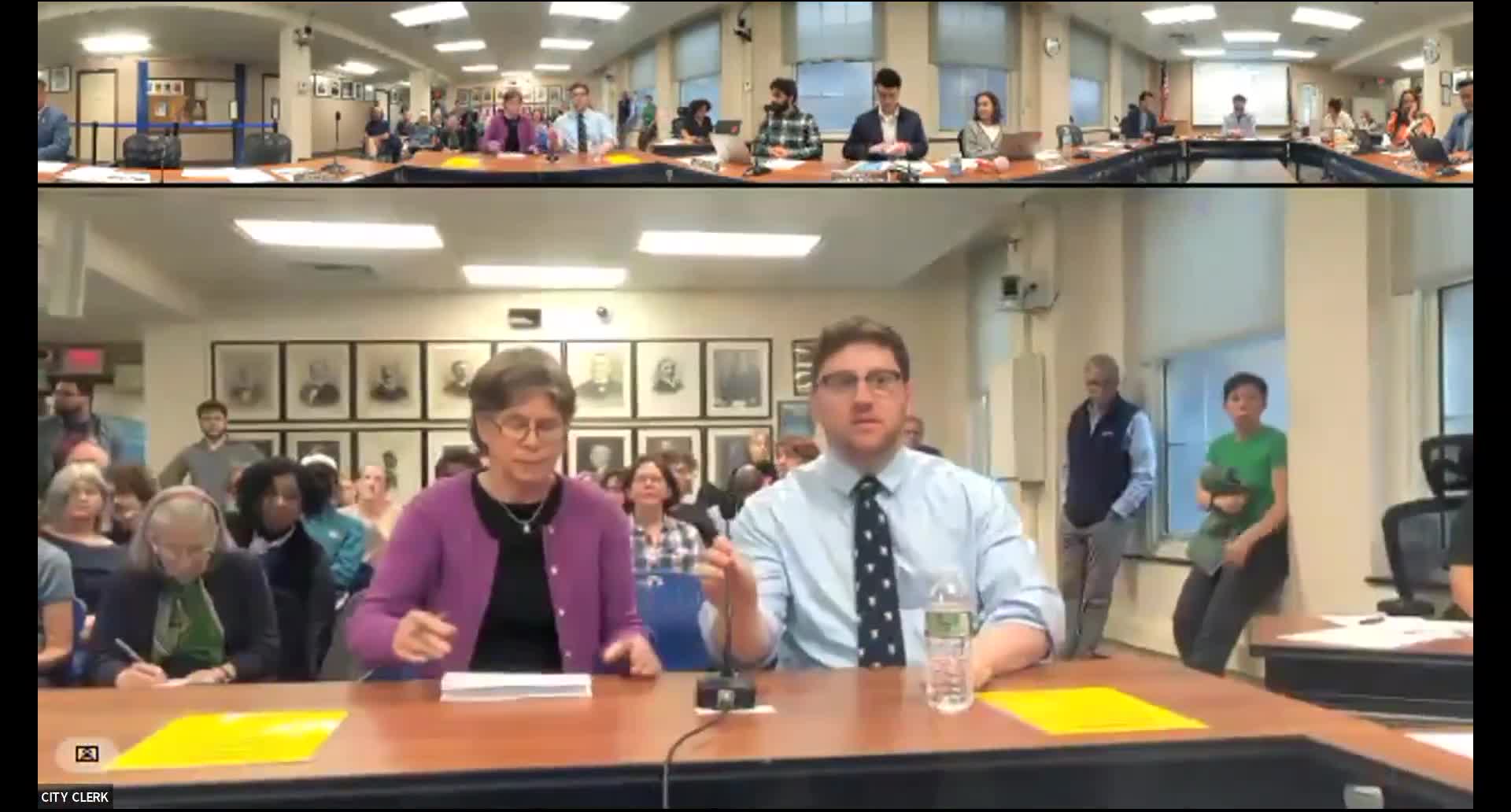
Summary
TCAT general manager and board chair gave the Ithaca Common Council a data-driven briefing on ridership recovery, fleet shortages and funding structure, saying fares cover only about 5% of operating revenue and that federal, state and local matches drive most funding decisions.
Matthew Rosenblum Jones, general manager of Tompkins Consolidated Area Transit (TCAT), and Laura Lewis, TCAT board chair and former Ithaca mayor, presented an overview of TCAT’s operations and finances to the Ithaca Common Council on May 7. The presentation summarized ridership, fleet condition, funding sources and workforce recruitment efforts and answered council questions about fares, park-and-ride options and hiring.
“Public transit doesn’t make money. The fares only cover a very small amount of our operating expenses. In the case of TCAT, it’s only about 5%,” Rosenblum Jones said, describing TCAT’s revenue mix and why most funding must come from public sources. He told council members TCAT ran slightly more than 1.2 million revenue miles in a year and carried nearly 3 million riders in 2024, operating roughly 53 buses on 25 fixed routes plus seasonal service.
Rosenblum Jones said TCAT’s largest single source of operating assistance is the State Operating Assistance formula (about 20% of TCAT’s revenue), with other state and federal sources and local underwriters (the City of Ithaca, Tompkins County and Cornell University) providing the remainder. He explained federal capital grants typically require a local match and described typical matching ratios for operating and capital projects, and occasional exceptions such as COVID relief.
A large part of the presentation focused on equipment and maintenance problems. Rosenblum Jones said an aging fleet and hard-to-source parts have driven cancellations; he said TCAT ran nearly 300,000 scheduled trips in the past year and canceled about 5,000, with most cancellations due to equipment problems. He noted seven battery-electric buses from an earlier supplier have been taken out of service because of frame issues and are unlikely to return. TCAT expects delivery this year of 11 new buses — five diesel and six battery-electric from Gillig — and five donated used hybrid buses from Capital District Transit Authority in Albany.
Council members asked about possible fare-free service, park-and-ride options, and hiring and training for mechanics and operators. Rosenblum Jones said state rules that support the State Operating Assistance program effectively require a minimum fare amount be demonstrated, though the fare can be paid by another entity rather than by individual riders. He described fare-capping and mobile tap-payment features planned for the new fareboxes that could ease the cost burden for low-income riders.
On workforce, Rosenblum Jones said TCAT has recently increased mechanic staffing from about nine to 15 mechanics and negotiated a new collective bargaining agreement that raised wages; he described partnerships with regional vocational schools and the Cornell Cooperative Extension to create training pathways for future drivers and mechanics. He said some recruitment challenges persist because of local cost-of-living pressures and employee commute patterns.
Council members and Rosenblum Jones discussed whether formal park-and-ride sites could be established; Rosenblum Jones said there are informal park-and-ride patterns in rural routes but no formalized city park-and-ride locations and suggested pilot studies could be considered. He also said the Federal Transit Administration was still processing a waiver related to retiring the defective Proterra buses but reported no red flags were raised.
The presentation did not include policy votes. Council members thanked Rosenblum Jones and Lewis and signaled interest in further conversations about potential incentives, partnerships with vocational training, and whether the city could help underwrite fare-free pilots while complying with state requirements.