Get Full Government Meeting Transcripts, Videos, & Alerts Forever!
Get email alerts on the Primary Care topic
No spam. Unsubscribe anytime.
Primary care providers tell committee burdens of prior authorization, fragmented contracts are straining clinics
Summary
Federally qualified health centers, independent clinicians and primary care advocates testified that administrative burdens, inconsistent quality measures across payers, and inadequate payment models threaten Oregon’s patient-centered primary care home model and contribute to workforce strain and access problems.
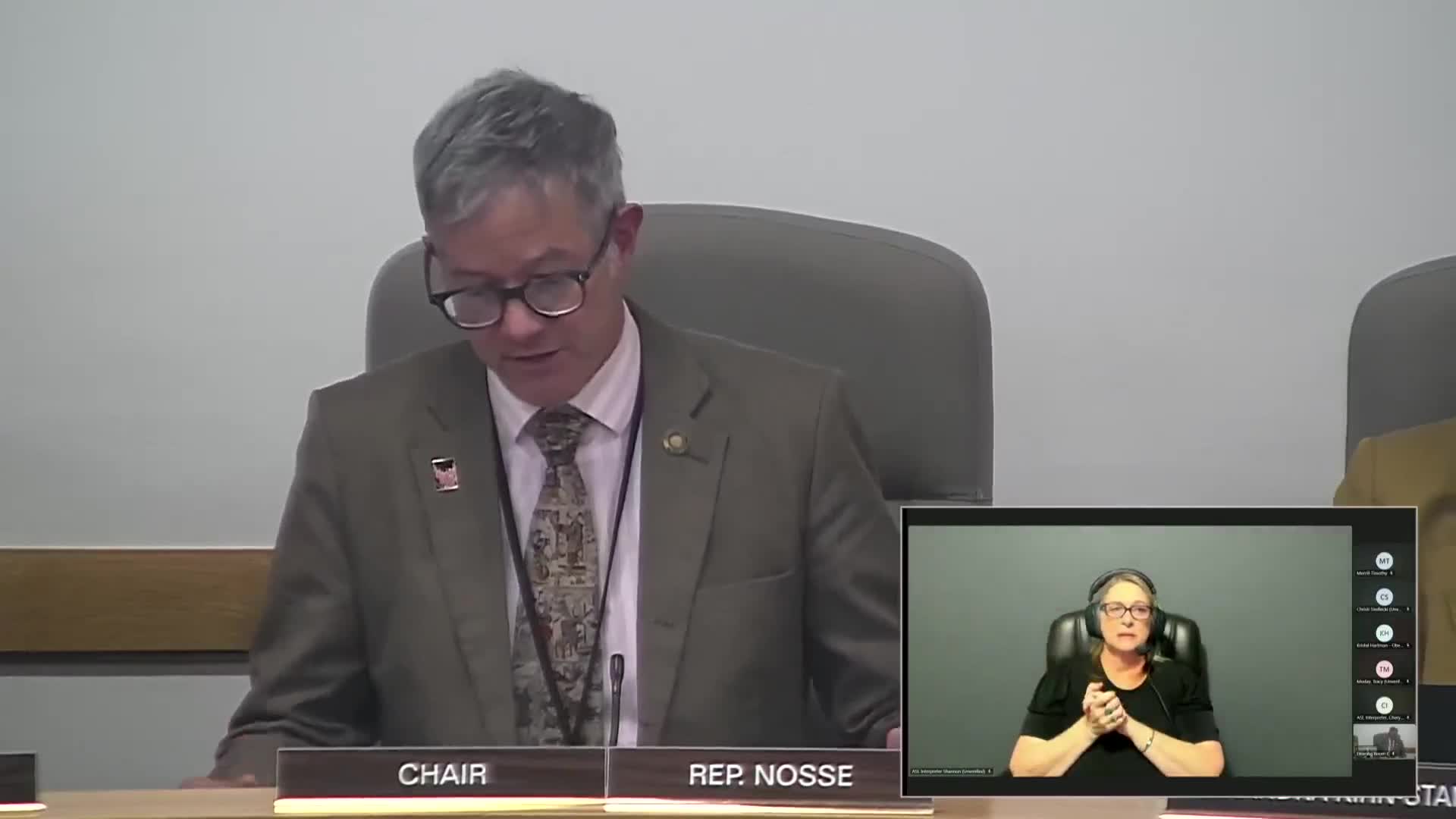
The House Committee on Behavioral Health and Health Care held an informational hearing on primary care in Oregon after closing discussion on PBMs. Speakers from the Oregon Primary Care Association, the Oregon Academy of Family Physicians, federally qualified health centers, and independent clinics described administrative complexity, workload, and payment shortfalls that they said undermine primary care capacity and patient access.
Danielle Sobel of the Oregon Primary Care Association summarized the state’s long-running investments and initiatives — the patient-centered primary care home (PCPCH) model, coordinated care organizations (CCOs), and alternative payment models — and said multiple payers with differing contractual and reporting requirements have left clinics facing hundreds of separate contracts and portals.
Christie Sedlecki, CEO of Grants Pass Clinic, described the day-to-day administrative burden: her clinic employs multiple full-time staff who process prior authorizations and referrals, and she estimated staff spend hundreds of hours per week on prior authorization alone. Sedlecki said PCPCH participation has grown more resource-intensive over time and that clinics have spent significant sums on electronic health record upgrades and analytics to keep up with reporting requirements.
"We spend our time checking boxes and filling out forms," Sedlecki said. "Demonstrating adherence to standards requires extensive documentation…we've spent over $450,000 to make EHR changes and at least $15,000 per year on analytics programs just to run reports."
Deborah Rumsey of the Children’s Health Alliance described a mismatch between fee-for-service payment schedules and the team-based services PCPCH expects, noting that many of the personnel and functions that support whole-person care cannot be billed or are paid inconsistently under current reimbursement rules. Betsy Boyd Flynn of the Oregon Academy of Family Physicians told lawmakers that Oregon has grown clinical capacity modestly but that average physician FTEs have declined and that long wait times and access gaps persist.
Witnesses urged policy changes to reduce administrative burden, align quality metrics, reform prior authorization processes, and expand or better-target value-based payments that provide predictable per-member funding for team-based care. Committee members asked for clearer proposals on what statutory requirements could be removed or streamlined; witnesses said they would return with concrete recommendations.
Ending: The committee heard testimony that primary care transformation has potential to improve outcomes but that inconsistent payer practices, heavy administrative work and inadequate payment models are straining clinics and the workforce. Several presenters offered to produce concise lists of low-value legal or contracting requirements for legislative consideration.