Get Full Government Meeting Transcripts, Videos, & Alerts Forever!
Get email alerts on the Education Virtual Schooling topic
No spam. Unsubscribe anytime.
Online charter-school teacher urges removal of in-person grant barriers and enrollment caps that limit remote students
Summary
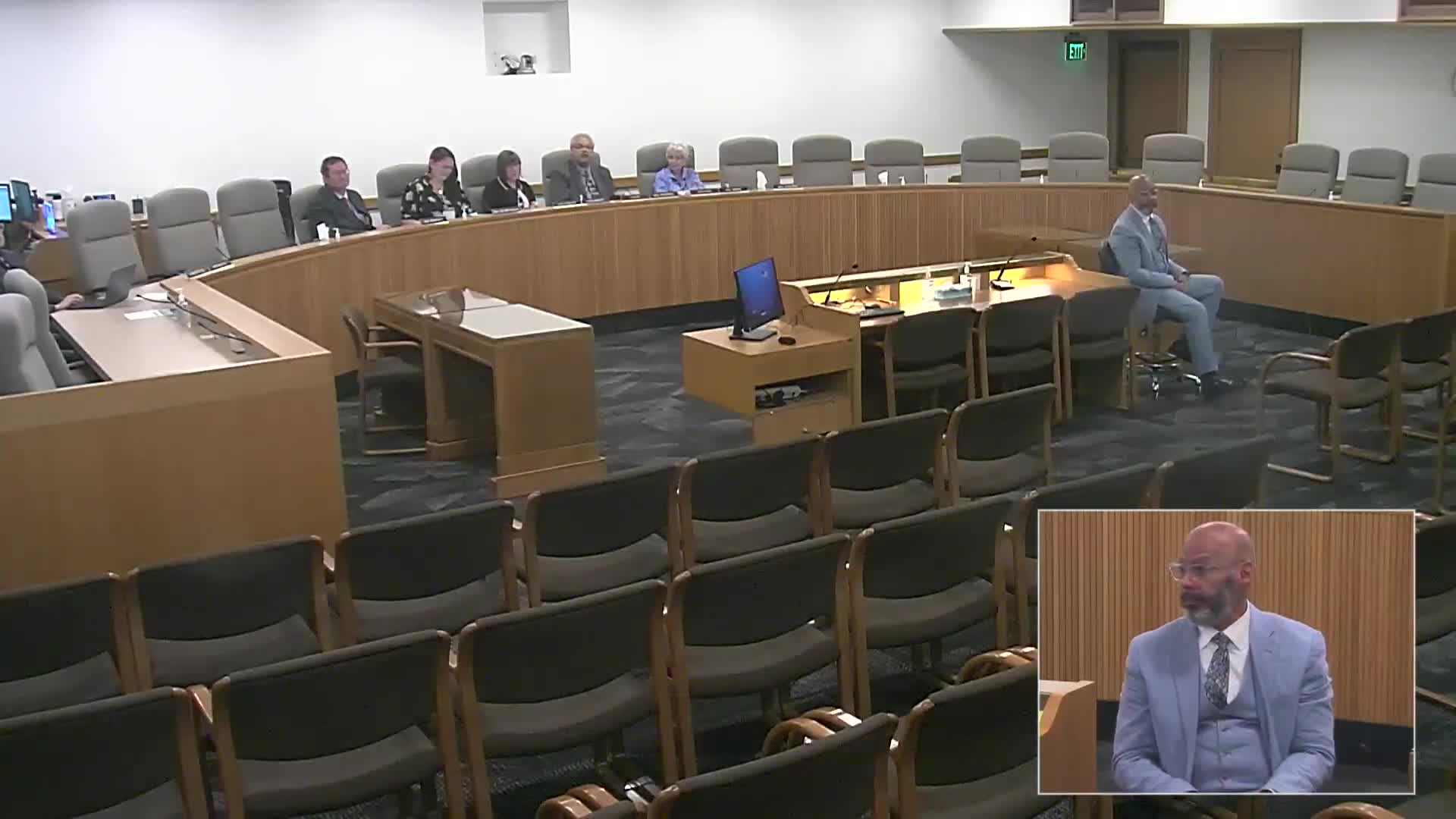
An administrator for three online public charter schools told the Senate Education Committee May 28 that grant rules requiring an in-person hour threshold and districts' 3% enrollment caps create inequities for families choosing full-time online public education.
An administrator for three online public charter schools told the Senate Education Committee May 28 that grant and enrollment rules create funding and access barriers for students choosing full-time online public education.
"We were approved for a grant ... and then we weren't able to access any of the funding because there was an 80 hour in-person requirement," Mitchell Page, who works with Cascade Virtual Academy, Insight School Oregon Painted Hills and Destination Career Academy of Oregon, told senators. Page said his schools serve students from "Lincoln City to Ontario, from Astoria down to Medford" and that an 80‑hour in‑person grant requirement is inequitable for families who choose online education.
Page also said the state's 3 percent enrollment cap on district online programs often requires families to seek waivers and can restrict access for students who prefer or need a virtual option. He urged lawmakers to remove in‑person hour requirements on grants and reconsider the cap to improve equity for geographically dispersed students.
Page described the schools' growth to just over 2,000 students across the three programs and noted that special-education and English-learner populations are significant at his schools. He urged lawmakers to reconsider administrative grant rules that assume localized in-person access and to align funding requirements with the realities of statewide virtual programs.
The committee did not take action at the hearing; senators said the testimony would be considered during policy and funding reviews.