Get email alerts on the Technology It Infrastructure topic
No spam. Unsubscribe anytime.
Spring‑Ford board approves multi-part technology refresh amid budget concerns
Summary
The Spring‑Ford Area School District board approved several technology purchases and warranties for next school year after debate over budget timing and whether to delay large IT expenditures until broader budget decisions are completed.
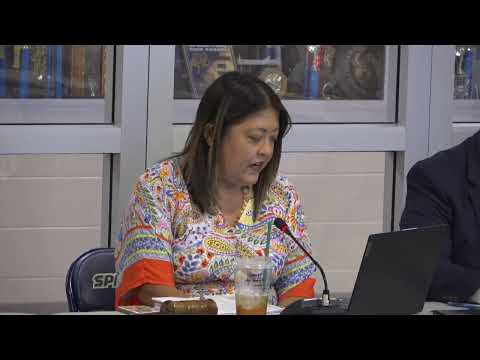
The Spring‑Ford Area School District Board of School Directors on May 27 approved multiple technology purchases and a cybersecurity/warranty contract intended for implementation in 2025–26, while three board members warned the timing could limit other budget choices.
Board members voted to approve a package of infrastructure and device items (Programming & Curriculum items L–T) that together cover internal cabling and classroom hardware refreshes, student device replacements for grades called out in the agenda, and extended warranties/cybersecurity services. Several motions were divided on the floor; the board recorded close votes on curriculum items and device refreshes. The student device purchase passed 6–3; other items passed by 5–4 or 8–1 depending on the line item.
The debate centered on two connected points: the age and capacity of the district’s internal network cabling and the district’s near‑term budget constraints. Board member Joseph Lackey, chairing the relevant committee, framed the purchases as follow‑on work to modernize wiring and device capacity that he said had not been upgraded since the era of far fewer connected devices. He cautioned that, without investment, classroom connectivity and camera/stream quality could degrade and that security and bandwidth issues were likely to increase with continued growth in device counts.
Several board members urged caution because the district is finalizing the 2025–26 budget and facing difficult fiscal choices. One member asked whether approving the refresh now would lock the administration into orders or prices that could complicate a later public conversation about program priorities; another noted that some technology items are eligible for E‑rate reimbursement — the district estimated approximately a 50% reimbursement for eligible purchases — and that delays could affect both delivery timing and potential pricing.
Administration representatives told the board that parts of the on‑site cabling are roughly 15–20 years old, that many devices are out of warranty after four years, and that a refresh schedule is typically required to keep warranties, resale value, and E‑rate eligibility aligned. The administration also said that delaying the device refresh likely would mean issuing older, five‑year‑old devices to the next cohort and risk missing lead times for delivery before the 2025–26 school year.
On cybersecurity, the board approved an extended warranty and endpoint detection/response service intended to reduce exposure to malware and ransomware; a committee presentation cited industry estimates of high recovery costs for K–12 ransomware incidents as the rationale for purchasing managed remediation and warranty services.
What happened: the board approved the technology infrastructure and device refresh motions (multiple items under Programming & Curriculum section) with vote tallies recorded on the floor (majority approvals ranged from narrow 5–4 to larger 8–1 margins depending on the line item). The board also agreed to pursue the E‑rate reimbursement process for eligible purchases.
Why it matters: the purchases affect classroom connectivity, student access to devices and the district’s cybersecurity posture. Board members said the decisions will shape the district’s ability to run video‑based instruction, standardized testing tools and the growing number of networked classroom devices. Several directors asked that department presentations be included in a June work session so the public and board can see the financial tradeoffs before additional technology‑related budget decisions.
Board next steps: administrators will proceed with procurement consistent with the board’s approvals and E‑rate filing timelines. The board asked administration to present clearer department‑level budget scenarios at the June work session so directors can evaluate tradeoffs across programs.
AI generated
The text on this page is AI generated. Summaries, highlights, analysis, and video transcripts are all produced from the original source material.
AI can make mistakes, so if you spot one, and we will fix it for everyone.
Note: the source content is unaltered by us. Any content source we link to, be it a video, an audio recording, or a document, is presented exactly as its publisher released it. That publisher is usually a government body, sometimes an individual official or another organisation.