Get Full Government Meeting Transcripts, Videos, & Alerts Forever!
Get email alerts on the Online Child Protection topic
No spam. Unsubscribe anytime.
Committee adopts amendments to bill requiring online platforms to protect minors and adds AG enforcement
Summary
The committee adopted a negotiated amendment package to House Bill 37 to require covered platforms to set default privacy settings for minors, restrict adult‑minor connections without parental consent, provide parental notification options and allow the attorney general enforcement with a cure period.
Louisiana lawmakers on May 28 advanced House Bill 37, a measure that would require online platforms that contract with minors to take “reasonable measures” to protect those accounts and to provide parental controls and notifications.
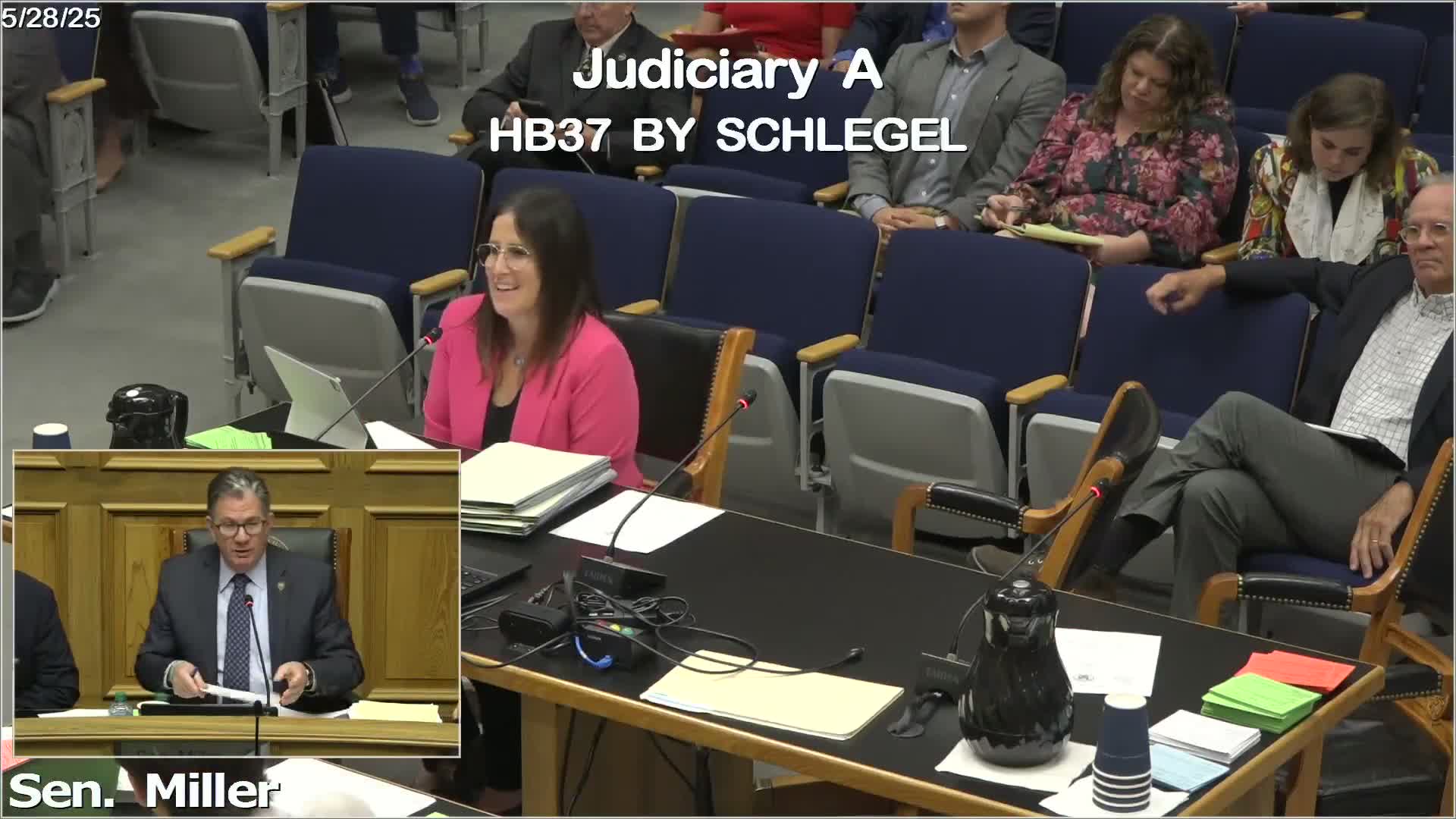
Representative Schlegel, the bill’s sponsor, told the committee the bill establishes a duty of care for platforms that interact with users identified as minors and aims to reduce online grooming and exploitation by setting default privacy settings and limiting unsolicited adult‑minor connections. “If you’re gonna contract with a child, you need to put minimum guardrails in place to protect them,” Schlegel said.
After negotiations with industry representatives, the committee adopted amendment set 22‑61. The amendment narrowed the definition of covered services — excluding services that are primarily preselected, non‑interactive streaming content or platforms for professional networking — and added a specific definition of “minor” (an account holder under age 16 that the platform reasonably believes or has actual knowledge is under that age). The amendment requires platforms to prioritize privacy and establish default minors’ settings that, among other things, prohibit an adult from connecting to a minor without the minor’s legal representative’s expressed consent.
The package also requires platforms to provide parental notification options (text, voice, e‑mail or through a platform parental interface) if a minor is exposed to sexually explicit material or when a connection is made between a minor and another account. The amendment added a set of parental supervision tools that must allow parents or legal representatives to view connected accounts, block accounts, and place limits on microtransactions.
Representative Schlegel removed a private right of action from the bill after industry concerns and substituted enforcement by the Louisiana Attorney General, including a notice‑and‑cure window before penalties may be assessed. Hannah Duke of the Entertainment Software Association testified in the hearing that she appreciated the negotiation and the inclusion of AG enforcement and constitutionality work.
Survivor advocates supported the bill’s intent. Audrey Wascomb, a survivor and longtime advocate, testified that the bill’s protections were needed because “abusers and traffickers” exploit online platforms and that platforms must be held to stronger account.
The committee adopted the amendment set and reported the bill. Supporters said the amended language reflects conversations with industry and law‑enforcement stakeholders and is designed to reduce grooming risk while accommodating constitutionality and operational concerns from platforms.
What changed: the adopted amendment narrowed the covered platforms, added a clear definition for minors, set default privacy settings, spelled out parental notification and supervisory tools, and replaced the private right of action with Attorney General enforcement and a cure period.