Get Full Government Meeting Transcripts, Videos, & Alerts Forever!
Get email alerts on the Federal Funding topic
No spam. Unsubscribe anytime.
Evanston staff warns federal policy shifts, litigation could affect local grants; council told staff will continue multi‑city briefs
Summary
City staff updated the Evanston City Council on rapidly changing federal policies, potential conditions on community development funding, and the city’s participation in multi‑jurisdictional amicus briefs in cases that could affect municipal grants and immigration rules.
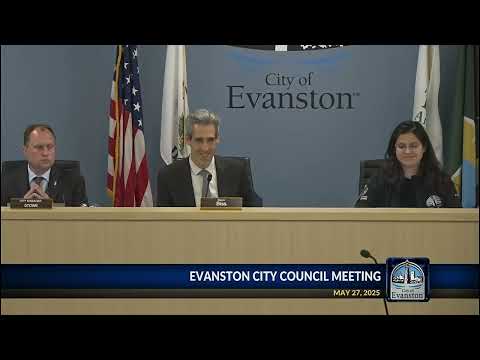
City staff told the Evanston City Council on May 27 that fast-moving executive actions and litigation at the federal level could change eligibility rules for several federal grants and that the city is joining multi‑city legal advocacy to protect local interests.
In a presentation the city manager introduced and Chief Legislative Policy Adviser Liza Robertson Young delivered, staff said the city is monitoring recent executive orders and litigation and has signed on to amicus briefs with other cities to explain how federal changes would affect municipal services and budgets.
"We are working in tandem with a number of units of local government throughout the country ... to collaborate and sign on to a number of amicus briefs to congress to advocate on federal issues that have a local impact," Robertson Young said. She listed recent litigation the city has joined or tracked, including cases over birthright citizenship, proposed NIH funding changes and challenges to the administration’s personnel directives.
Why it matters: city officials said earlier and ongoing federal action could attach conditions to CDBG, HOME and ESG funds and that a recently announced executive order (Executive Order 14,287, April 28) directs the attorney general's office to identify and notify sanctuary jurisdictions — a step staff said may carry funding risk for affected grants.
City Manager Devon Stowe told the council the situation is "a very difficult environment to assess" because of rapid executive activity and litigation. Robertson Young warned that changes to nationwide injunction practice and other court rulings could have broad effects on local governments.
Staff described specific cases the city has weighed in on: the birthright citizenship litigation (where the nationwide injunction issue is under review), Massachusetts v. NIH (a dispute over NIH funding policy), Noam v. Doe (immigration-related humanitarian parole rules), and American Federation of Government Employees v. Office of Personnel Management (challenges to federal employee terminations). Robertson Young said the city’s briefs explain the operational and financial impacts on municipalities if federal policies shift.
Council members asked for follow-up and clarification on next steps. Robertson Young said staff will report to the Finance and Budget Committee and to the full council as new information arrives and will continue to log communications with federal officials and to sign on to relevant amicus briefs.
The presentation did not propose a council vote; staff characterized the work as ongoing monitoring and legal advocacy and identified potential program risk areas but did not recommend suspension or acceptance of specific grants at this meeting.